
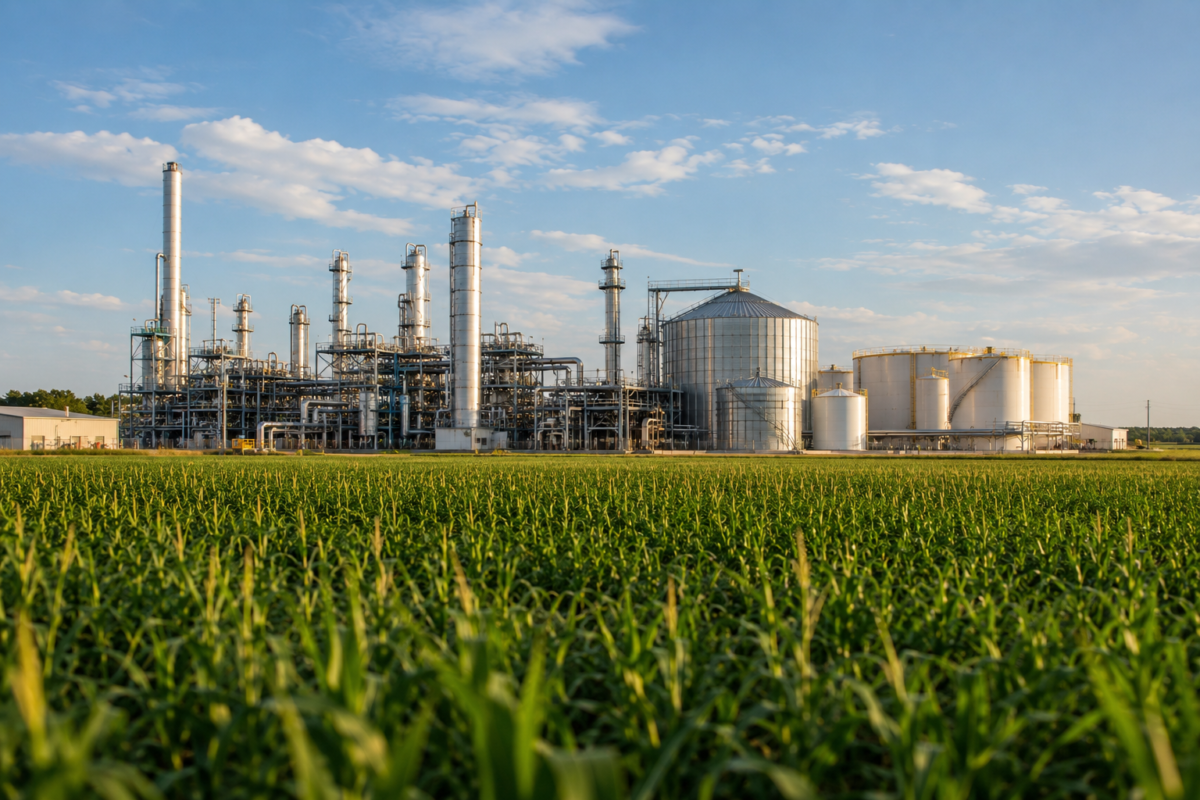
Biofuel is a renewable energy source derived from plant and animal materials. While green energy sources such as solar and wind power can provide clean electricity, biofuel can be used to replace fossil fuels in other applications, such as for jet fuel and fertilizer. Common biofuels include ethanol, typically made from corn or sugarcane; biodiesel, made from vegetable oils or animal fats; and biogas, produced from organic waste. Various biofuels can be used for a range of applications, such as transport, heating, and agricultural inputs.
Global Biofuel Demand
The global demand for biofuels is expected to increase by 1.4% annually over the next decade, according to a 2026 OECD report. Middle-income countries will likely dominate biofuel production, which is projected to grow by around 3% annually, driven by rising transport fuel demand, energy security considerations, fiscal goals, and emissions-reduction commitments.
In high-income countries, the growth of biofuel production is expected to slow due to slower-than-expected electric vehicle uptake, particularly in the European Union. In the United States, the focus has shifted towards biomass-based diesel linked to fuel and aviation fuel targets, with an estimated annual growth rate of 1.5%.
The Pros and Cons of Biofuel
Biofuels are generally viewed as more sustainable than petroleum-derived fuels, with many countries producing higher quantities of biofuel to support their climate pledges. Biofuels typically produce less carbon dioxide than fossil fuels because they rely on organic feedstocks, and the CO2 they do emit is often offset by carbon dioxide captured by the plants used to make them. Depending on the feedstock and life-cycle assumptions, biodiesel can substantially reduce greenhouse-gas emissions relative to petroleum diesel. Therefore, their use can help to decarbonize hard-to-abate sectors such as aviation, shipping, and road freight.
However, not all biofuels are created equal, and some of the criticisms associated with production include the heavy land and water use required. There are also concerns about air and groundwater pollution associated with certain biofuels. Depending on which feedstocks are used and the production process, some biofuels can emit as much or more greenhouse gases as certain fossil fuels on an energy-equivalent basis.
EPA Biofuel Mandate
In late March, the Environmental Protection Agency (EPA) mandated that refiners blend record volumes of biofuels into gasoline and diesel in 2026 and 2027, including a 60% increase in biodiesel and renewable diesel use, as well as a long-standing requirement to blend approximately 15 billion gallons of ethanol into gasoline each year.
The EPA set biodiesel and renewable diesel volume requirements of 5.4 billion gallons for 2026 and 5.7 billion for 2027, marking an increase from 3.35 billion in 2025. The EPA expects that to meet the mandated supply, producers must actually produce 6.07 billion gallons this year, as some domestically produced biofuels are exported while others do not generate compliance credits.
The ongoing Iran War and trade disruptions in the Middle East, including the closure of the Strait of Hormuz, have driven up demand for biofuels in recent months amid global fossil fuel shortages and high fuel prices. However, there are concerns that the U.S. biodiesel industry will not be able to increase production to meet EPA mandates, not least because many producers remain unclear about how to secure clean fuel credits under a new program known as the 45Z Clean Fuel Production Credit.
Scott Irwin, an agricultural economist at the University of Illinois, estimates that producers must generate 915 million credits per month to meet the EPA’s mandates. However, “We are not even remotely close to what we need. It seems obvious that we’re headed for some big deficits and a big deficit build into 2027,” said Irwin. “The mandates effectively require biodiesel plants to run at their highest sustained pace on record and renewable diesel plants to operate well beyond any pace they’ve ever achieved,” added Irwin.
The United States is expected to produce around 1.52 billion gallons of biodiesel and 3.53 billion gallons of renewable diesel in 2026, according to the U.S. Energy Information Administration, a combined total that is below the EPA’s requirement. The American Fuel and Petrochemical Manufacturers has said the EPA’s targets exceed what domestic feedstock supplies can support. In addition, some producers have been forced to operate below capacity in previous years due to lower demand for biodiesel and renewable diesel, prompting many to race to bring operations back online.
A sustained production shortfall could sharply drive up renewable fuel credit prices and force the Trump administration to invoke a rarely used provision to lower the established EPA mandates to reflect market conditions. However, doing this could anger farmers and agricultural groups who have long fought to increase biofuel quotas. It remains unclear how the U.S. government will respond to the production shortfall. However, without addressing the challenges facing the biofuel industry, U.S. producers are unlikely to meet the EPA-mandated output for 2026.
Keep In Touch with Shale Magazine
As the new era of energy unfolds, you can bet we’ll be the boots on the ground to keep you informed. Subscribe to Shale Magazine for sharp insight into the arenas that matter most to your life. And don’t forget to listen to our riveting podcast, The Energy Mixx Radio Show, where our very own Kym Bolado interviews the most extraordinary thought leaders, business innovators, and industry experts of our time.
Subscribe to get more posts from Felicity Bradstock