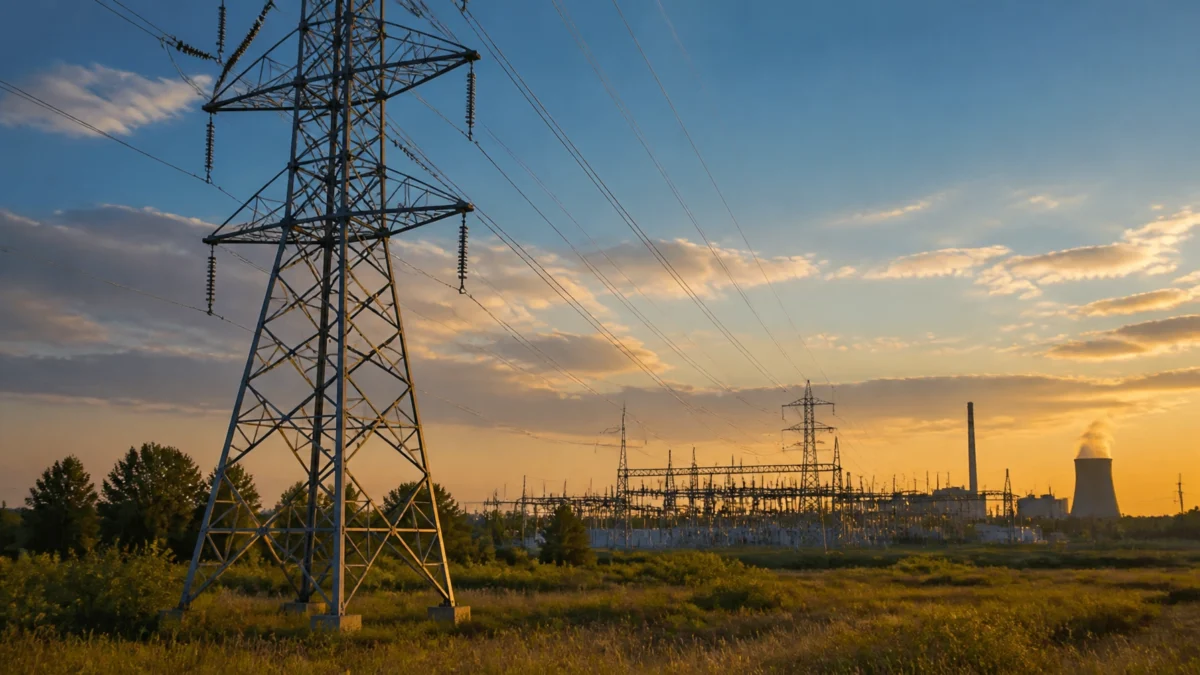
The Department of Energy has taken unprecedented steps to maintain the stability of the American heartland as extreme weather and surging demand push the electrical infrastructure to its breaking point. On July 20, 2026, Secretary of Energy Chris Wright issued Emergency Order No. 202-26-36, marking the second time in just two weeks that the federal government has had to intervene in regional electricity markets. This action highlights the increasing frequency of Federal power grid emergencies that threaten the continuity of economic activity and public safety across the country.
The order was issued under Section 202(c) of the Federal Power Act, a provision that allows the Secretary of Energy to mandate the operation of generating facilities during times of war or an emergency. This latest directive was aimed specifically at the Southwest Power Pool (SPP), a regional transmission organization that manages the grid for approximately 19 million people. The emergency measures were effective immediately upon issuance and remained in force through July 21, 2026.
The regional scope of Federal power grid emergencies
The Southwest Power Pool is a critical hub of American energy, covering all or parts of 14 states in the central United States. Its footprint includes Montana, North Dakota, South Dakota, Nebraska, Kansas, Oklahoma, Minnesota, Iowa, Missouri, Wyoming, Colorado, New Mexico, Texas, and parts of Arkansas and Louisiana. When SPP requested federal assistance, the concern was a widespread shortfall that could have led to grid-wide rolling blackouts across this massive geographic area.
Under the specific terms of Order No. 202-26-36, SPP was authorized to dispatch specified generating units and utilize backup generation resources as a last resort. This intervention occurred as SPP briefly declared an Energy Emergency Alert (EEA) Level 3 in its western balancing authority area on July 20. An EEA 3 represents the highest level of urgency, indicating that operating reserves have been depleted and the interruption of firm load: customer electricity: is imminent.

The implementation of these emergency measures ultimately proved successful. While the threat of controlled power outages loomed large, the ability to run plants harder than their environmental permits would normally allow, combined with the activation of onsite backup power at major industrial sites, kept the lights on. According to DOE estimates, there are more than 35 GW of unused backup generation currently available nationwide, a resource that Secretary Wright has moved to integrate more effectively into emergency planning.
Policy shifts and Federal power grid emergencies
The rapid succession of these orders: the first being issued for the PJM Interconnection grid between July 14 and July 21: signals a sharp departure in federal energy management strategy. Secretary Wright has been vocal about the necessity of prioritizing grid reliability over regulatory rigidness. In a statement following the issuance of the SPP order, Wright criticized what he described as the energy subtraction policies of the previous administration.
Secretary Wright noted that the previous administration’s energy subtraction policies weakened the grid and created a vulnerability that was unacceptable for a modern economy. He further stated that thanks to President Trump’s leadership, the Department is reversing those failures by ensuring that dispatchable power is available when it is needed most. This shift in tone reflects a broader move within the Department of Energy to protect baseload power sources, such as coal and natural gas, while integrating new technologies like the nuclear AI initiatives recently announced for the Savannah River Site.
The Department’s focus on maintaining reliability is not merely a matter of comfort; it is an economic imperative. Data from the DOE National Laboratories suggests that power outages cost the American economy approximately $44 billion per year. By utilizing Section 202(c) authority, the DOE aims to mitigate these losses by ensuring that market structures and environmental regulations do not unintentionally trigger blackouts during peak load events.
Economic impact and structural responses to Federal power grid emergencies
The recurring nature of Federal power grid emergencies has prompted industry analysts to look deeper at the structural integrity of the American energy spectrum. As demand for electricity rises: driven largely by the rapid expansion of data centers and the ongoing electrification of industrial processes: the margin for error within the grid has narrowed significantly. The SPP footprint is particularly susceptible to these pressures due to its heavy reliance on a diverse mix of wind, coal, and gas, which requires sophisticated balancing during extreme temperature events.

Key data points regarding the SPP emergency include:
- Total geographic coverage across 14 states.
- Brief declaration of EEA 3 on July 20, 2026.
- Authority granted to suspend emissions limits for emergency generation.
- Activation of localized backup generation at commercial and industrial sites.
- Integration of over 35 GW of nationwide backup capacity as a strategic reserve.
These events underscore the necessity of expert analysis in the energy economy, a core focus of our work at Energy Network Media Group. Whether analyzing the shifting dynamics of US LNG exports or the nuclear commitments of major tech firms, it is clear that the grid is undergoing a period of intense transition and stress.
Future outlook for grid reliability
As we move forward into the peak of the summer cooling season, the Department of Energy remains on high alert. The use of emergency orders is a powerful tool, but it is one that the industry hopes will not become the new standard for operational stability. The focus must remain on building a resilient and redundant infrastructure that can withstand both weather anomalies and high demand without the constant need for federal intervention.

The recent orders for PJM and SPP serve as a stark reminder that energy policy has real-world consequences. The balance between traditional hydrocarbon generation and the integration of renewables remains a central point of debate in Washington DC and across the industry. For professionals and decision-makers, staying informed on the latest trends and rulings from the EPA, DOE, and FERC is essential for navigating the complexities of the modern energy market.
Keep In Touch with Shale Magazine
As the new era of energy unfolds, you can bet we’ll be the boots on the ground to keep you informed. Subscribe to Shale Magazine for sharp insight into the arenas that matter most to your life. And don’t forget to listen to our riveting podcast, The Energy Mixx Radio Show, where our very own Kym Bolado interviews the most extraordinary thought leaders, business innovators, and industry experts of our time.
Subscribe to get more posts from Amanda Jenkins