The U.S. Department of the Interior has officially signaled a historic shift in domestic resource management by announcing a proposed offshore critical minerals lease sale targeting the vast seabed territories of the South Pacific. This move represents the first time in more than 30 years that the federal government has initiated a commercial leasing process for minerals in federal waters. According to the Proposed Leasing Notice (PLN) issued through the newly established Marine Minerals Administration (MMA) and the Bureau of Ocean Energy Management (BOEM), the auction is tentatively scheduled for November 19, 2026.
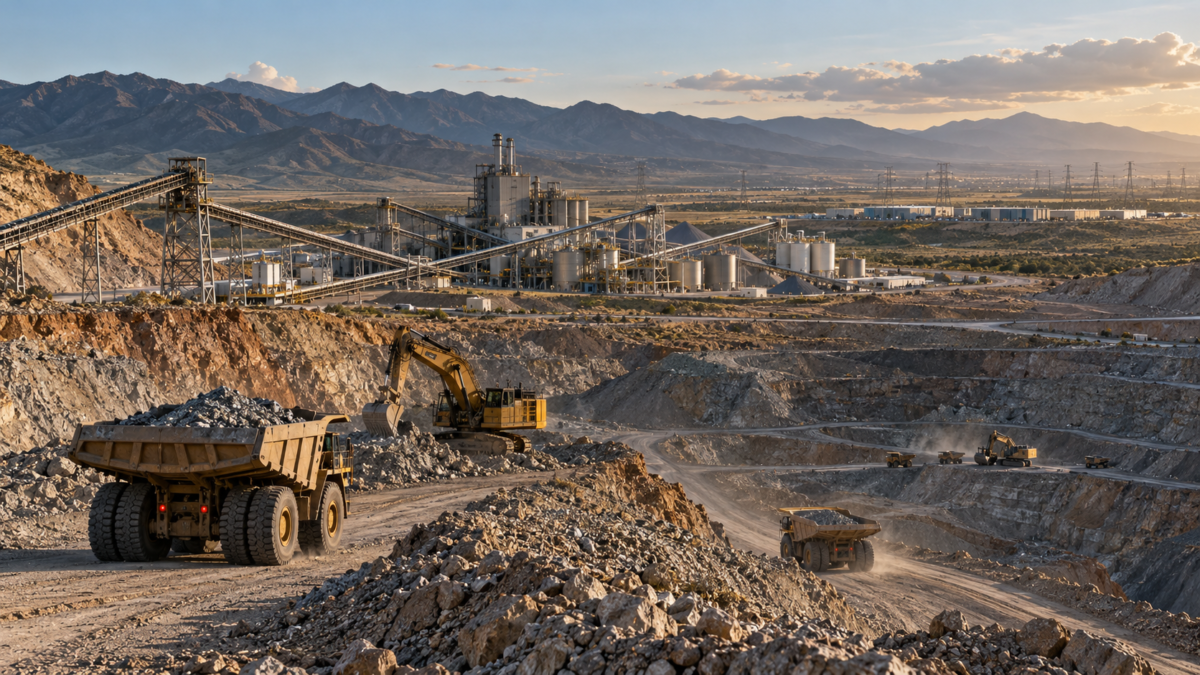
The proposal identifies approximately 33 million acres of the Outer Continental Shelf (OCS) northeast of the Manu’a Islands and Rose Atoll. This area, designated as PACM‑1, is believed to hold significant deposits of polymetallic nodules and ferromanganese crusts. These geological formations are rich in cobalt, nickel, copper, and manganese: elements that are indispensable for the manufacturing of high-capacity batteries, advanced electronics, and defense technologies. As the global energy transition accelerates, securing a stable supply of these materials has become a matter of national economic and security priority.
Strategic Significance of the Offshore Critical Minerals Lease Sale
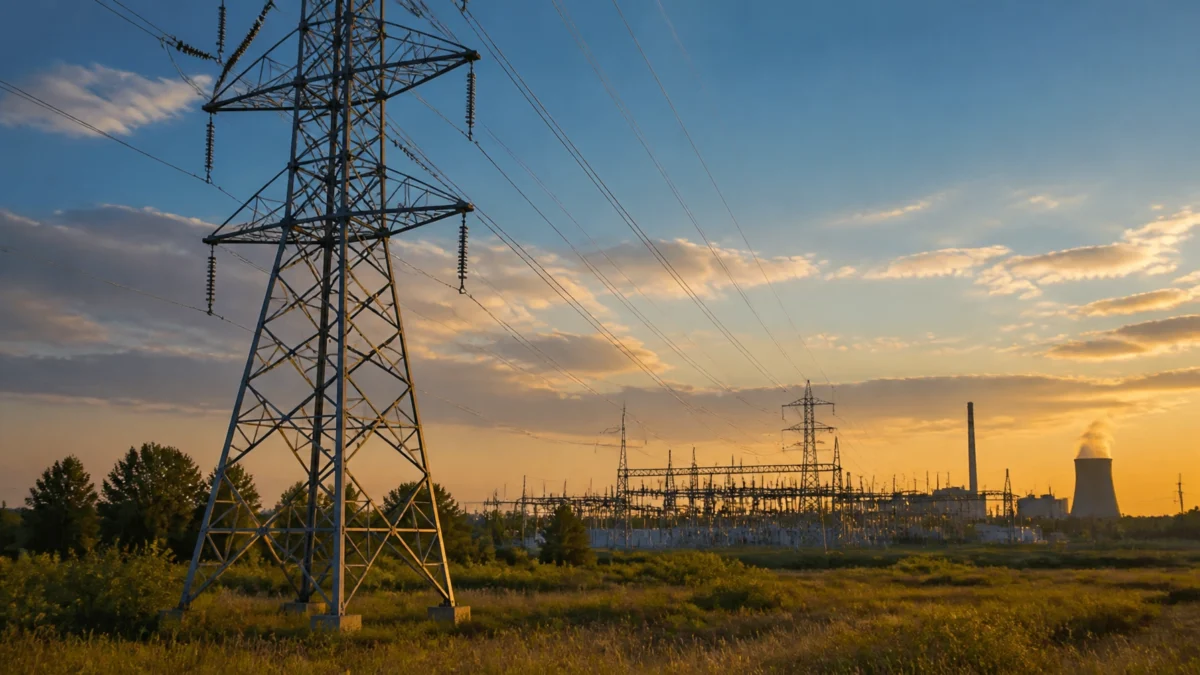
The decision to open federal waters for mineral extraction is deeply rooted in the need to diversify global supply chains. Currently, the global market for critical minerals is heavily concentrated. According to recent Reuters reporting and data from the International Energy Agency (IEA), China currently refines between 47% and 87% of the world’s key critical minerals. This concentrated market power creates a vulnerability for Western industries that rely on these materials for everything from electric vehicle motors to fighter jet components.
The IEA has previously warned that roughly $6.5 trillion of Western industrial value is at risk due to supply chain bottlenecks and geopolitical dependencies. By initiating an offshore critical minerals lease process, the U.S. aims to establish a domestic alternative to foreign imports. While terrestrial mining projects such as Project Vault and other domestic efforts are underway, analysts suggest these projects are still years from providing the volume of material required for total independence. The seabed off American Samoa offers a potential shortcut to high-grade resources that do not require the same land-use footprint as traditional open-pit mines.

Geological Wealth and the 33 Million Acre Territory
The proposed sale area is divided into two massive blocks. One block covers approximately 16.3 million acres, while the second encompasses 15.1 million acres. These regions were identified through an extensive Area Identification process completed in late 2025, which analyzed the density of mineral deposits across the seafloor.
- Polymetallic Nodules: These are potato-sized rocks found on the abyssal plains. They contain high concentrations of manganese, nickel, cobalt, and copper, often in grades higher than those found in land-based ores.
- Ferromanganese Crusts: These deposits form on the flanks of seamounts. They are particularly valued for their high cobalt content, which is a primary component in the cathodes of lithium-ion batteries.
The DOI’s notice clarifies that these leases will be strictly for mineral development. Under federal regulations, these rights will explicitly exclude oil, gas, sulphur, and nuclear source materials. This focused approach highlights the administration’s intent to treat seabed mining as a distinct industrial sector within the broader energy economy. For more on how these regulatory processes differ from traditional energy production, readers can explore the intricate process of acquiring mineral rights on our platform.
Economic Terms and the Regulatory Framework
The financial structure of the offshore critical minerals lease is designed to encourage long-term investment while ensuring a fair return to the taxpayer. The MMA has proposed a 20-year primary lease term, providing operators with the stability needed to develop complex extraction technologies.
The economic requirements for bidders include:
- Minimum Bid: $3 million per block.
- Royalties: A 2% royalty on the value of mineral production for the first five years, increasing to 5% thereafter.
- Closed Auction: The sale will be held at the BOEM Pacific Region offices in Camarillo, California, and will be livestreamed to ensure transparency without compromising security.
This framework reflects a balance between the high capital expenditures required for deep-sea operations and the state’s interest in resource valuation. By setting a $3 million floor, the MMA ensures that only well-capitalized firms capable of meeting rigorous environmental standards will participate in the auction. This mirrors the high-stakes environment seen in other sectors, such as when the U.S. surpassed Russia and Saudi Arabia in oil production through a combination of technical innovation and favorable regulatory conditions.

Environmental Concerns and Territorial Opposition
Despite the strategic and economic arguments in favor of the sale, the proposal faces significant headwinds from local leadership and environmental advocates. American Samoa’s governor, Pulaali’i Nikolao Pula, has expressed strong opposition to deep-sea mining, citing potential risks to the marine ecosystem and traditional fishing grounds. The governor now has a 60-day window to provide formal comments on the proposed leasing notice.
Environmental groups, including Earthjustice, have raised concerns regarding the impact of sediment plumes and noise on deep-sea biodiversity. Because the deep ocean is a slow-growing and fragile environment, critics argue that extraction could cause irreversible damage to species that have yet to be fully documented by science. Pacific island nations have increasingly called for a moratorium on deep-sea mining until more comprehensive environmental data is available.
The DOI and MMA have countered these concerns by highlighting the completion of an Environmental Assessment (EA) that examines the potential impacts of issuing commercial leases. They emphasize that the issuance of a lease does not, by itself, authorize mining. It only grants the right to explore and propose a plan of operations, which would then be subject to even more stringent environmental reviews.
Assessing the Future of U.S. Seabed Mining
The proposed November 19, 2026, auction date represents a pivotal moment for the U.S. Marine Minerals Administration. If the sale proceeds, it could catalyze a new era of industrial activity in the Pacific. For professionals in the energy and finance sectors, this move signals a maturation of the critical minerals market, transitioning from theoretical exploration to commercial reality.

The success of the American Samoa sale will likely dictate the future of the offshore critical minerals lease program in other U.S. territories. As the nation grapples with the complexities of the energy transition, the seabed remains one of the last frontiers for domestic resource independence. Whether the administration can navigate the dual pressures of geopolitical necessity and environmental stewardship will be the defining story of the 2026 energy market.
Keep In Touch with Shale Magazine
As the new era of energy unfolds, you can bet we’ll be the boots on the ground to keep you informed. Subscribe to Shale Magazine for sharp insight into the arenas that matter most to your life. And don’t forget to listen to our riveting podcast, The Energy Mixx Radio Show, where our very own Kym Bolado interviews the most extraordinary thought leaders, business innovators, and industry experts of our time.
Subscribe to get more posts from Amanda Jenkins