Streamlining industrial permitting delays has become a central focus for federal regulators seeking to accelerate the deployment of critical infrastructure across the United States. In May 2026, the Environmental Protection Agency (EPA) introduced a significant proposal aimed at revising the New Source Review (NSR) preconstruction permitting program. This proposed rule change addresses a long-standing bottleneck in the development of large-scale energy projects and high-demand facilities like data centers. By redefining what constitutes the beginning of actual construction, the EPA intends to allow developers to move forward with non-emitting site activities while their final air quality permits remain under review.
For decades, the “begin actual construction” clause within the Clean Air Act has often acted as a complete stop on all physical on-site activity. Under current interpretations, even the most basic ground preparation could be seen as a violation of NSR rules if performed before the final permit is in hand. The 2026 proposal seeks to clarify this by narrowing the definition of construction to focus specifically on pollutant-emitting activities. This shift represents a pragmatic approach to industrial development, acknowledging that modern project timelines cannot always afford to wait for the multi-year administrative cycles typical of federal permitting.
Streamlining industrial permitting delays through site development
The technical core of the EPA proposal lies in the distinction between a stationary source and the non-emitting components that support it. According to the proposed rule, activities that do not directly involve the installation of equipment capable of emitting regulated pollutants would no longer be restricted by the preconstruction permit timeline. This allows for a broad range of early-works projects to proceed immediately upon site acquisition.
Specific activities that the EPA proposes to allow include:
- Engineering, design planning, and geotechnical investigations to ensure soil stability.
- General site clearing, including the removal of vegetation and debris.
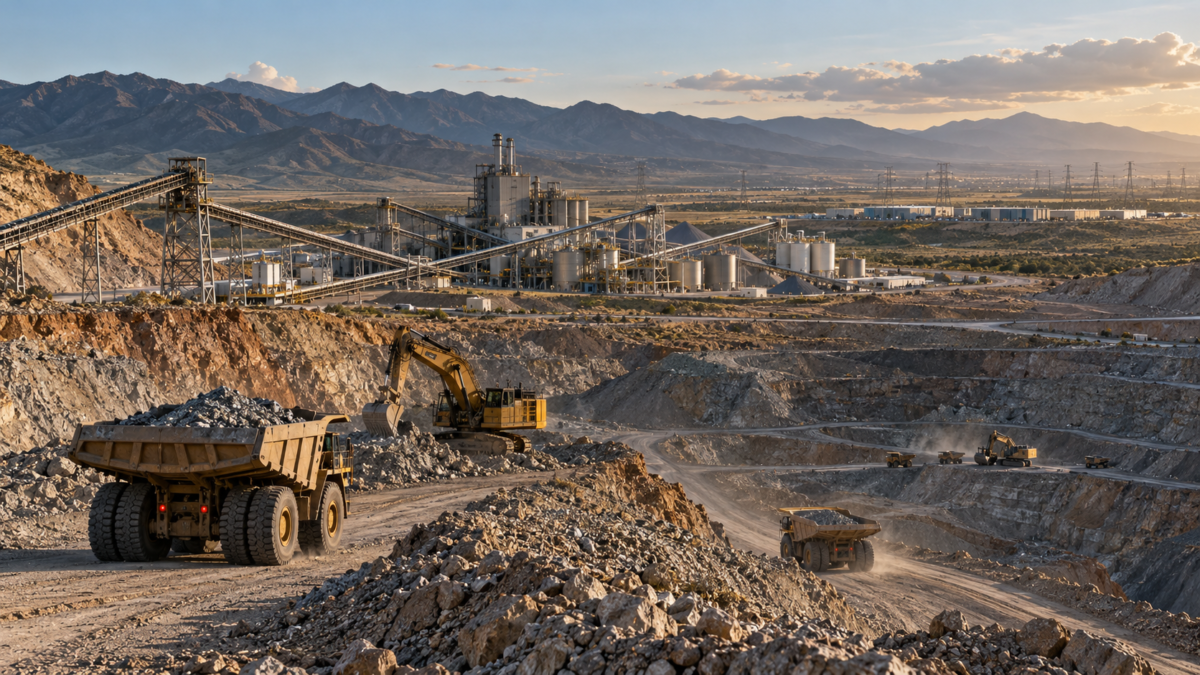
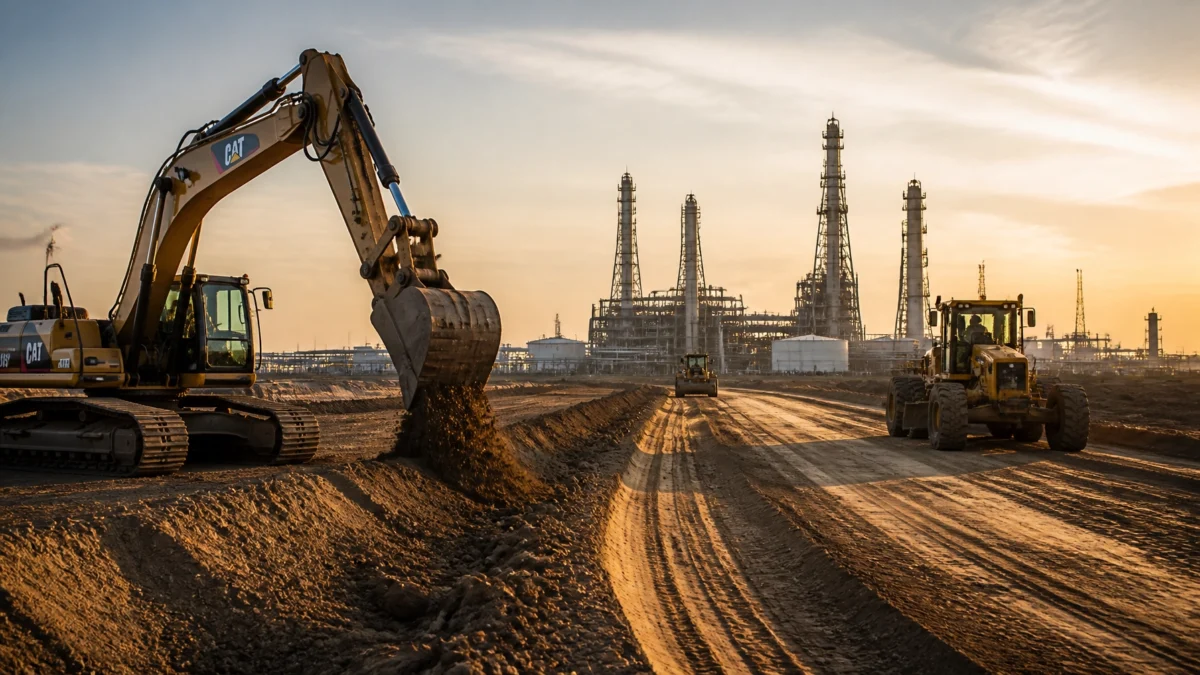
- Major earthmoving tasks such as grading, surveying, and soil compaction.
- The construction of roads, parking lots, and other paved surfaces necessary for heavy equipment access.
- The installation of temporary construction trailers and staging areas for materials.
By isolating these tasks from the formal NSR permitting process, developers can shave months, or even years, off the total project duration. This is particularly vital in the context of global energy market volatility, where the ability to bring new capacity online quickly can dictate the economic viability of an investment. However, it is important to note that these activities are performed at the developer’s own risk. If the final NSR permit is denied or requires substantial design changes, the work already completed may need to be altered or abandoned.

Accelerating the expansion of data centers and AI infrastructure
One of the most significant beneficiaries of streamlining industrial permitting delays is the burgeoning sector of artificial intelligence and high-density data storage. The rapid growth in AI energy workforce demand and the physical infrastructure required to house these systems has placed immense pressure on the national power grid and regional permitting offices. Data centers are unique because, while they consume massive amounts of electricity, their primary air emissions often come from backup diesel generators and cooling systems rather than the primary facility itself.
Under the new proposal, a data center developer could potentially complete the entire building shell, install HVAC systems for human occupancy, and lay down electrical and telecom utility corridors while the air permit for the backup generators is still pending. This allows for the “non-emitting” portion of the facility to be ready for interior fit-out much sooner. The EPA specifically highlighted that this rule would help build the essential components for power generation and data centers without compromising the air quality standards established by the Clean Air Act.
The distinction remains clear for emitting equipment. Combustion units, turbines, boilers, and the backup generators themselves cannot be installed until the final permit is issued. This ensures that the environmental impact of the facility’s operations is fully vetted before the hardware that generates emissions is put in place. For the energy sector, this nuance is critical for projects ranging from natural gas power plants to biofuels refineries.
Navigating the transition in environmental regulatory compliance
While the EPA’s proposal offers a clear path toward faster project timelines, it does not alleviate the substantive requirements of the Clean Air Act. Every major source must still demonstrate compliance with Best Available Control Technology (BACT) or Lowest Achievable Emission Rate (LAER) standards. The administrative shift only changes the sequence of events. State and local permitting authorities, who manage the majority of NSR programs across the country, will still play a central role in the final approval process.

Companies must carefully map their project scopes into categories of non-emitting and emitting activities to avoid unintentional violations. For instance, while a concrete pad for a warehouse might be allowed early, a concrete foundation that is specifically and uniquely configured to support a turbine or a flare stack may still be restricted. This level of technical granularity requires close coordination between project engineers and environmental legal counsel.
Furthermore, the proposal aligns with broader federal efforts to modernize industrial capacity. For example, recent DOE grants for coal infrastructure modernization emphasize the need for updated facilities that can integrate carbon capture or transition to cleaner fuels. Streamlining industrial permitting delays complements these financial incentives by ensuring that the physical construction can match the pace of the funding cycles and the urgent needs of the energy economy.
Evaluating the long term impact on American energy security
The proposal to redefine preconstruction activities is more than an administrative tweak; it is a recognition of the changing landscape of American industrial development. As the United States looks to onshore more manufacturing and expand its energy production capacity, the “permitting paralysis” that has plagued large projects is being treated as a matter of economic and national security. The EPA’s willingness to allow site development to proceed in parallel with regulatory review signals a shift toward a more agile governance model.
Critics and industry observers alike are currently reviewing the proposal, with public comments due by June 29, 2026. The success of this initiative will largely depend on how state regulators adopt these federal guidelines and whether the legal protections for early construction are robust enough to encourage developers to take the associated financial risks. For professionals focused on the intersection of energy and policy, this move represents a significant milestone in the quest for a more efficient regulatory environment.
By focusing on physical reality rather than administrative formality, the EPA is moving toward a system where environmental protection and industrial growth are not mutually exclusive. The ability to begin grading land, laying pipes, and erecting building shells while waiting for the final word on emissions permits provides the flexibility required for the next generation of American energy infrastructure.
Keep In Touch with Shale Magazine
As the new era of energy unfolds, you can bet we’ll be the boots on the ground to keep you informed. Subscribe to Shale Magazine for sharp insight into the arenas that matter most to your life. And don’t forget to listen to our riveting podcast, The Energy Mixx Radio Show, where our very own Kym Bolado interviews the most extraordinary thought leaders, business innovators, and industry experts of our time.