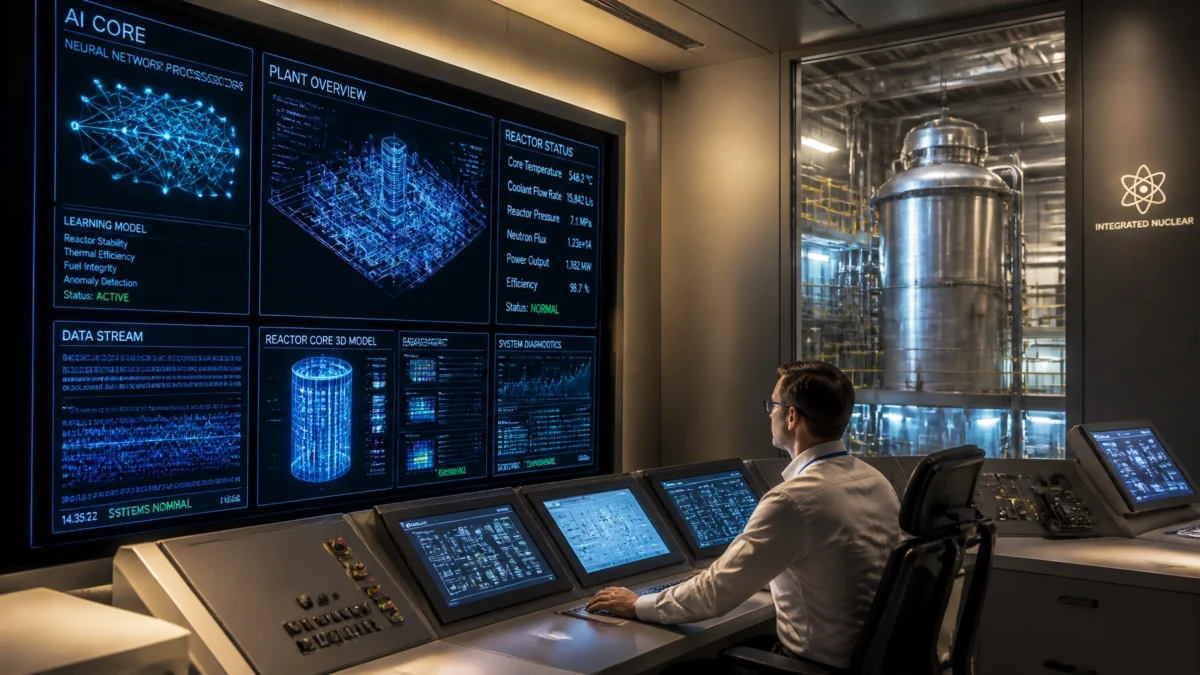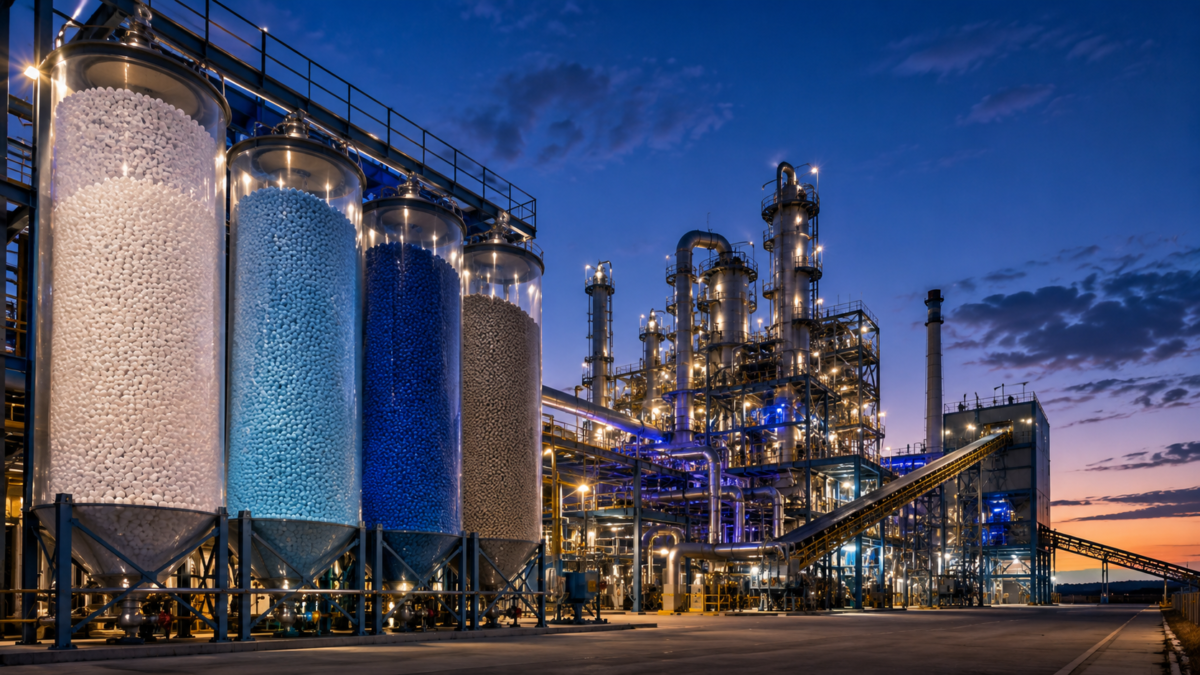
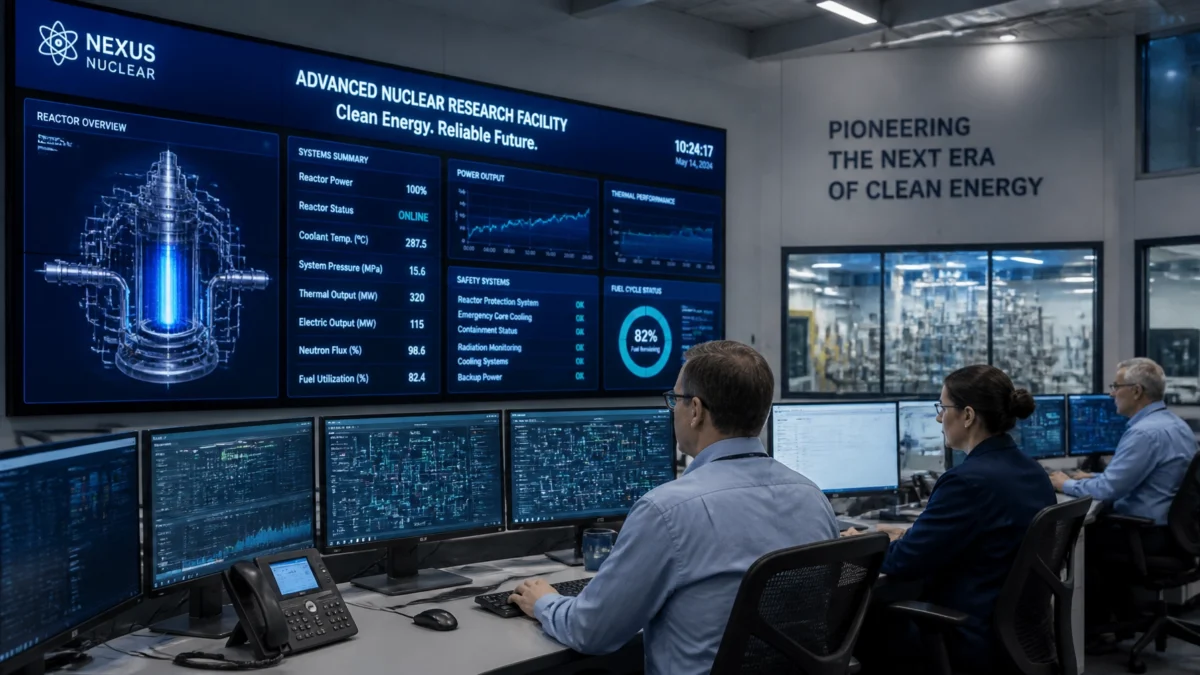
On July 28, 2026, the U.S. Department of Energy delivered a transformative announcement for America’s energy independence by naming Utah, Tennessee, Oklahoma, Louisiana, and Idaho as the finalist states to host pioneering nuclear lifecycle innovation campuses. Selected from a competitive pool of 28 applications representing 26 states, these prospective hubs are designed to overhaul the domestic nuclear fuel cycle. Energy Secretary Chris Wright signed vital memorandums of understanding with state governors, setting the stage for what officials term an American nuclear renaissance.
As global energy demand accelerates against a backdrop of geopolitical volatility and surging artificial intelligence infrastructure, securing a reliable, end-to-end domestic fuel supply has shifted from an economic goal to an urgent national security imperative. These campuses represent a multi-layered federal and state partnership designed to bridge critical gaps in uranium enrichment, fuel fabrication, spent fuel reprocessing, and advanced reactor deployment.
The Strategic Mandate Behind Nuclear Lifecycle Innovation Campuses
For decades, the United States has grappled with vulnerabilities in its nuclear supply chain, relying heavily on foreign enrichment and processing services. The Department of Energy initiative directly addresses this structural weakness by establishing consolidated regional hubs capable of managing every stage of the nuclear fuel lifecycle.
According to federal program outlines, each campus will integrate multiple industrial functions that have historically been fragmented across disparate geographic locations. By housing fuel fabrication, enrichment, chemical separations, and radioactive waste management within coordinated regional ecosystems, the United States can drastically reduce its exposure to international supply chain disruptions.

Industry analysts note that this approach mirrors successful industrial clustering seen in other energy sectors, where proximity between raw material processing, technology development, and end-user deployment compounds operational efficiencies. With advanced small modular reactors gaining commercial traction, having localized nuclear lifecycle innovation campuses ensures that fuel supply can scale in tandem with reactor deployment schedules.
Economic and Infrastructure Projections Across Host States
Beyond national security benefits, the scale of investment tied to these prospective campuses is unprecedented in modern nuclear development. Economic impact models released by state economic development agencies and federal estimators indicate substantial regional growth across all five finalist locations.
Key economic highlights associated with the initiative include:
- Up to $50 billion in projected capital investment per campus over the lifecycle of the program.
- Approximately $10 billion in cumulative state and local tax revenue generated across host regions.
- Nearly 25,000 high-quality, high-paying engineering, construction, and operational jobs per campus.
- Significant infrastructure modernization, including heavy transport logistics, electrical grid reinforcements, and specialized workforce training pipelines.
Governors from the selected states have moved swiftly to champion the initiative. Utah Governor Spencer J. Cox emphasized the state’s robust regulatory environment and engineering talent. Tennessee Governor Bill Lee highlighted the state’s deep-rooted nuclear heritage surrounding Oak Ridge. Oklahoma Governor Kevin Stitt pointed to the state’s expansive energy workforce and industrial readiness. Louisiana Governor Jeff Landry emphasized Gulf Coast logistics and energy infrastructure capabilities, while Idaho Governor Brad Little underscored decades of nuclear research expertise anchored by the Idaho National Laboratory.
Securing the Fuel Cycle and Powering AI Data Centers
A critical differentiator for these new nuclear lifecycle innovation campuses is their deliberate integration with advanced manufacturing and hyperscale data centers. Modern artificial intelligence data centers demand continuous, baseload power free from carbon emissions, creating an unprecedented alignment between the technology sector and nuclear energy providers.
Energy market analysts emphasize that traditional grid infrastructure alone cannot support the exponential load growth driven by artificial intelligence clusters. By embedding advanced reactors directly into these nuclear innovation campuses, operators can supply dedicated, uninterruptible power directly to adjacent tech infrastructure while simultaneously processing nuclear fuel.
This dual-purpose model transforms nuclear facilities from isolated utility installations into dynamic economic engines. Federal regulators and industry stakeholders are currently evaluating how regulatory frameworks can adapt to streamline licensing for co-located data centers and nuclear generation assets without compromising stringent safety standards.
Pathway Forward and Governor Perspectives
Following the execution of memorandums of understanding by Energy Secretary Chris Wright, the five finalist states enter a rigorous planning and feasibility phase. While the July 28 announcement establishes the primary framework, formal site selection and binding agreements will depend on environmental reviews, community engagement initiatives, and state-level legislative alignments.
The transition from exploratory memorandums to fully operational facilities will require close coordination between the Department of Energy, private capital partners, and local communities. Policymakers remain optimistic that these nuclear lifecycle innovation campuses will serve as the cornerstone of American energy dominance for the remainder of the twenty-first century, balancing traditional baseload reliability with next-generation technological innovation.
Keep In Touch with Shale Magazine
As the new era of energy unfolds, you can bet we’ll be the boots on the ground to keep you informed. Subscribe to Shale Magazine for sharp insight into the arenas that matter most to your life. And don’t forget to listen to our riveting podcast, The Energy Mixx Radio Show, where our very own Kym Bolado interviews the most extraordinary thought leaders, business innovators, and industry experts of our time.
Subscribe to get more posts from Amanda Jenkins