ENMG Analysis
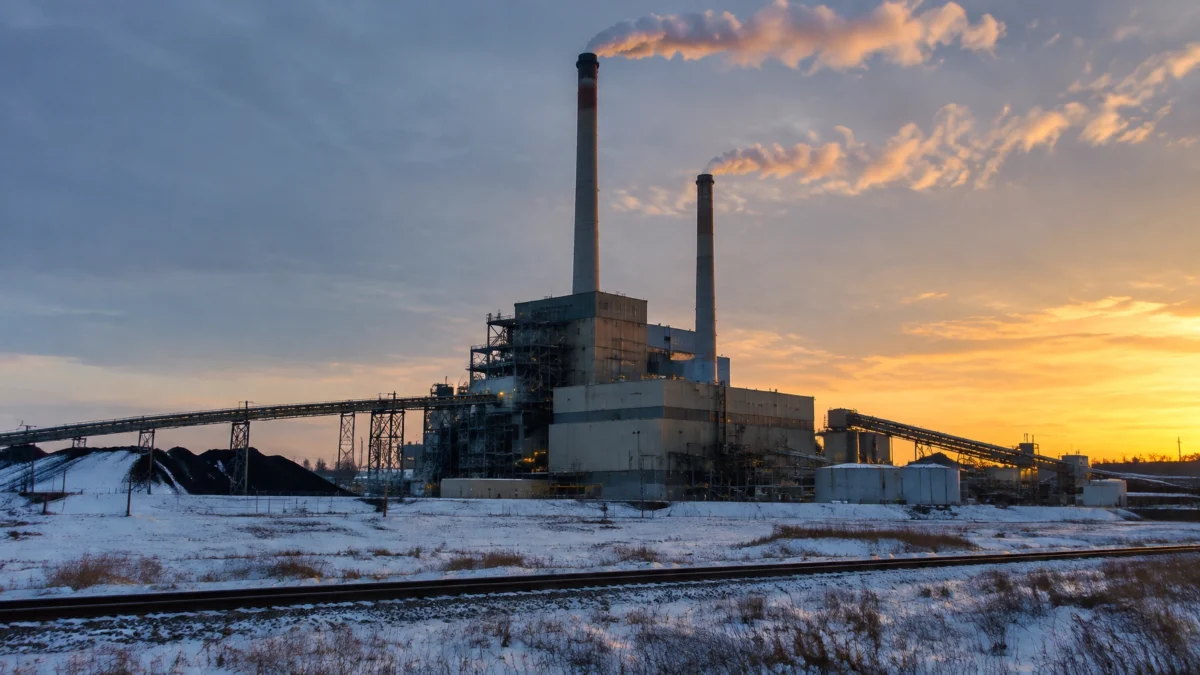
The Department of Energy issued emergency Order No. 202-26-51 on November 13, directing the Midcontinent Independent System Operator and Consumers Energy to keep Michigan’s J.H. Campbell Generating Facility available through February 12, 2027. The order took effect November 15. It requires the coal-fired plant in West Olive to be ready to operate if needed during the emergency, while directing MISO to use economic dispatch only during the hours necessary and to minimize costs. The DOE’s order page sets out the requirements and expiration date.
The order does not mean Campbell must run continuously, guarantee that it will be dispatched or make it a long-term capacity resource. It extends the plant’s required availability for another 90 days as the Midwest enters winter, amid federal concerns about electricity supply and disputes over the limits of emergency authority.
Why The Order Matters Now
Cold weather can increase electricity demand as homes and businesses use more heat. At the same time, severe conditions can affect generating equipment and fuel supply. The DOE cited winter reliability concerns, including risks associated with forecast storms, as part of its rationale. In announcing the order, the department said Campbell’s availability would support Midwest grid reliability.
The order is the latest in a series concerning the plant. DOE’s tracker lists six earlier Campbell orders, each requiring the plant to remain available for a specified period; this is the seventh. The repeated extensions draw attention to a central reliability question: how to manage near-term risks when planned replacements, new resources and transmission projects may not be ready on the same schedule as a plant’s retirement. DOE’s 2026 order tracker also shows emergency orders elsewhere in the country, including orders extending beyond the immediate winter period.
Campbell was slated to retire in May 2025 under Consumers Energy’s earlier plan. Keeping it available may provide MISO with another dispatchable option during stressed conditions. But an emergency order does not resolve longer-term questions about the cost of maintaining the facility, the region’s resource mix or the timing of replacement capacity.
What The Order Requires
The order directs MISO and Consumers Energy to take the steps necessary to ensure Campbell can operate to meet the emergency. It does not direct the plant to generate a fixed amount of electricity. MISO is to dispatch it only when needed to address the emergency and minimize costs to ratepayers.
The order also calls for measures to limit adverse environmental impacts and requires compliance with applicable environmental requirements, including monitoring and reporting to the maximum extent feasible. It does not permanently change the plant’s air permits. The order states that the facility will not be considered a capacity resource and that the directive expires February 12, 2027, unless extended.
Consumers Energy is directed to seek tariff revisions or waivers from the Federal Energy Regulatory Commission as needed to carry out the order. The order says rate recovery is available under the statute, but that does not by itself determine the amount recovered or how costs may ultimately be allocated. Those questions are separate from the plant’s operational availability.
How Section 202(c) Works
Section 202(c) of the Federal Power Act gives the energy secretary emergency authority to order temporary actions involving electricity generation, delivery, interchange or transmission when the secretary determines an emergency exists. The authority is tied to meeting the emergency and serving the public interest; it is not a permanent process for deciding what resources a regional grid should rely on.
The Campbell order’s direction to use economic dispatch only during the hours necessary reflects that limited purpose. It constrains when MISO may call on the plant and directs the operator to minimize costs. The order also requires environmental monitoring and reporting. These conditions do not settle the broader legal question of how far the federal emergency authority extends.
A federal court has ruled against an earlier order involving Campbell, and the D.C. Circuit has provided guidance on the scope of section 202(c). Utility Dive reported that the new order was issued over court objections. The Environmental Law and Policy Center, which is challenging the order, said it believes the action conflicts with the court’s guidance. DOE’s order takes a different position: it acknowledges the D.C. Circuit decision, notes that DOE has sought rehearing and states the department’s view that the new order is consistent with the opinion. The legal question remains contested, and the litigation outcome is unknown.
Why Coal Can Matter In A Cold Snap
Campbell is a large coal-fired generating plant. Coal units can provide firm, dispatchable electricity, and coal plants generally keep fuel stockpiles on site. That can reduce their exposure to a fuel-delivery interruption during a prolonged cold spell, although plant equipment, fuel inventories and operating performance still matter.
Gas-fired generators are also essential to MISO and the broader U.S. power system. But their ability to generate depends on natural gas production and delivery through pipelines, which can be constrained when heating demand rises alongside electricity demand. Cold weather can freeze or disrupt production and processing equipment, while pipeline capacity and competing demand may limit deliverability. These risks do not mean gas plants will necessarily be unavailable: firm fuel arrangements, storage and operational coordination can help reduce exposure.
The joint FERC-NERC review of the 2026 winter cold period describes an extended event that strained both electricity and natural gas systems. It found no manual electric load shedding and no widespread interruption of firm gas service, but generator outages across the Eastern and Texas interconnections peaked at 68,169 megawatts. The report’s findings underscore that winter reliability depends on fuel availability, equipment performance, accurate forecasts and the ability to move power, not on any single resource alone.

Who Is Affected
MISO must incorporate the order into its regional operations and determine when Campbell is needed under emergency conditions. Consumers Energy must maintain the plant’s availability and comply with MISO’s related directions. If the plant is dispatched, it can contribute electricity during the hours MISO determines are necessary; the order does not establish how many hours it will run.
The costs may also matter to utility customers. Consumers Energy has sought recovery of costs associated with keeping the plant available, Michigan Public reported. Whether and how costs from this latest order are recovered depends on separate regulatory proceedings. Ratepayers, the utility and regulators therefore face a question distinct from the reliability rationale: who bears expenses for a plant that had been scheduled to retire?
The order also has environmental implications. Operating a coal plant entails emissions, while the order directs dispatch only as needed and requires environmental compliance and reporting. That is a tradeoff between maintaining a dispatchable resource for potential emergency use and the costs and emissions associated with keeping it available and operating it.
What An Emergency Order Does Not Do
The directive is not a capacity market mechanism, a long-term resource adequacy plan or a substitute for new generation and transmission. It does not, on its own, build infrastructure, speed up project interconnections or guarantee that new capacity will be completed before a future retirement. It is an emergency measure that preserves the option to dispatch a specific existing plant for a limited period.
The broader system includes coal, natural gas, nuclear, hydroelectric, wind and solar generation, along with batteries, demand response and transmission. Each contributes differently: fuel-based generators can dispatch when called, weather-dependent generation varies with conditions, storage can shift electricity over limited durations and transmission can move power between regions when capacity is available. Winter reliability depends on how these resources work together, their performance during extended cold and the availability of fuel and delivery infrastructure.
ENMG previously examined the DOE’s emergency grid orders, which illustrate how section 202(c) has been used in other regions. The growing number of orders makes it important to distinguish temporary emergency actions from durable solutions to resource adequacy.

What To Watch Next
The immediate questions are whether winter conditions require MISO to dispatch Campbell, how many operating hours prove necessary and how the utility’s costs are handled in regulatory proceedings. The order expires February 12, 2027, unless DOE extends it. The ongoing litigation may also affect the legal framework for future emergency orders, but its outcome remains uncertain.
For the Midwest, the longer-term measure will be whether planned generation, transmission and other reliability resources become available in time to reduce reliance on repeated emergency actions. The order provides an option for this winter; it does not establish that the underlying resource-adequacy challenge has been resolved.