Texas Rainy Day Fund stability is a frequent topic of debate when the state finds itself with a historic budget surplus. A recent proposal from State Representative Gina Hinojosa suggests using this financial cushion to provide a one-time $1,500 check to every household in the state. By drawing approximately $17 billion from the Economic Stabilization Fund, known informally as the Rainy Day Fund, the plan aims to alleviate the burden of rising living costs for millions of families. While the prospect of immediate financial relief is compelling, it is essential to analyze the long-term implications of reducing the state’s primary reserve. As of November 2025, the fund stood at a record $24.8 billion, and maintaining Texas Rainy Day Fund stability is vital for navigating the unpredictable challenges that often face the Lone Star State.
Lessons from the 2011 Budget Crisis and Texas Rainy Day Fund stability
To understand why the preservation of these funds is so critical, one must look back at the difficult chapters of the state’s financial history. Long before founding Energy Network Media Group, Kym Bolado worked within the nonprofit sector, specifically serving individuals living with mental illness. During the budget crisis that followed the Great Recession, the reality of a state forced to make painful financial decisions became clear. Texas entered the 2011 legislative session facing an estimated $27 billion budget shortfall. Because the Texas Constitution requires a balanced budget and prevents the state from borrowing its way out of a deficit, lawmakers were forced into a series of incredibly difficult choices.
These decisions resulted in visible ripples across every sector of public life. School districts were forced to reduce staffing and implement hiring freezes, while state agencies and health programs saw significant cuts. In the mental health system, the impact was devastating. Many individuals could not secure appointments with psychiatrists for months, leading them to turn to hospital emergency rooms for routine medication renewals. These facilities became overcrowded with people who had no other options, forcing doctors and nurses to manage chronic conditions in an emergency setting. The crisis also stretched community programs for seniors and tightened the budgets of law enforcement agencies. These were not just statistical data points; they were events that changed lives and underscored the importance of maintaining Texas Rainy Day Fund stability to prevent such a scenario from recurring.

The Role of Energy Production in Sustaining Texas Rainy Day Fund stability
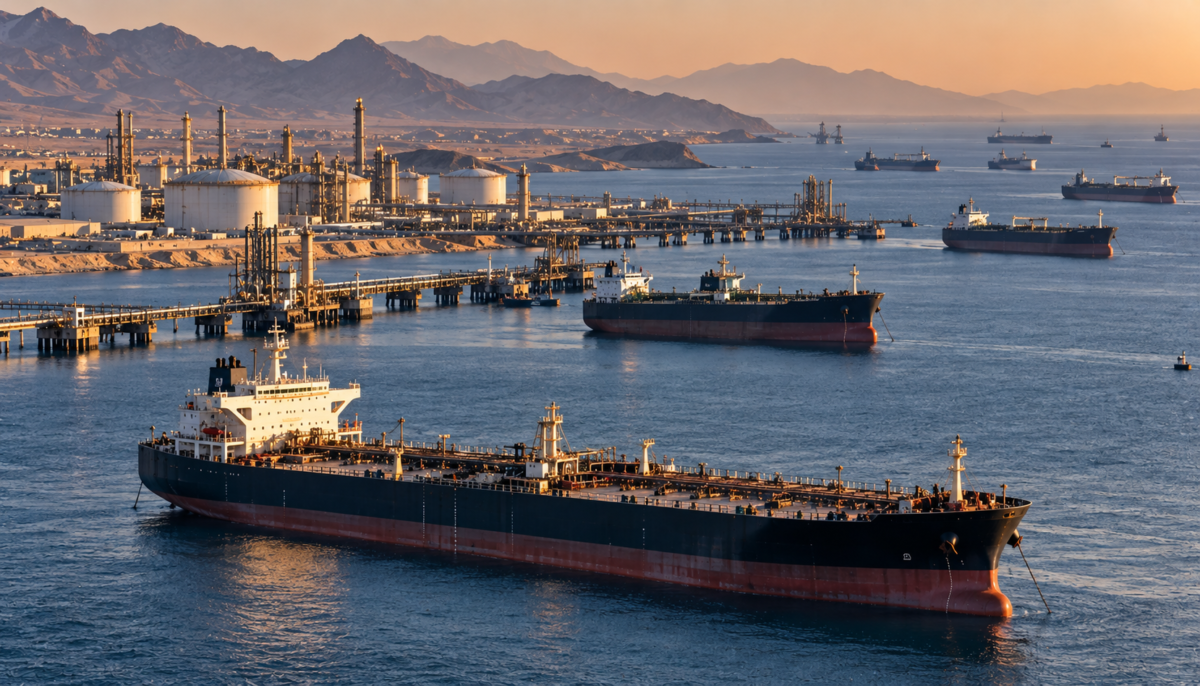
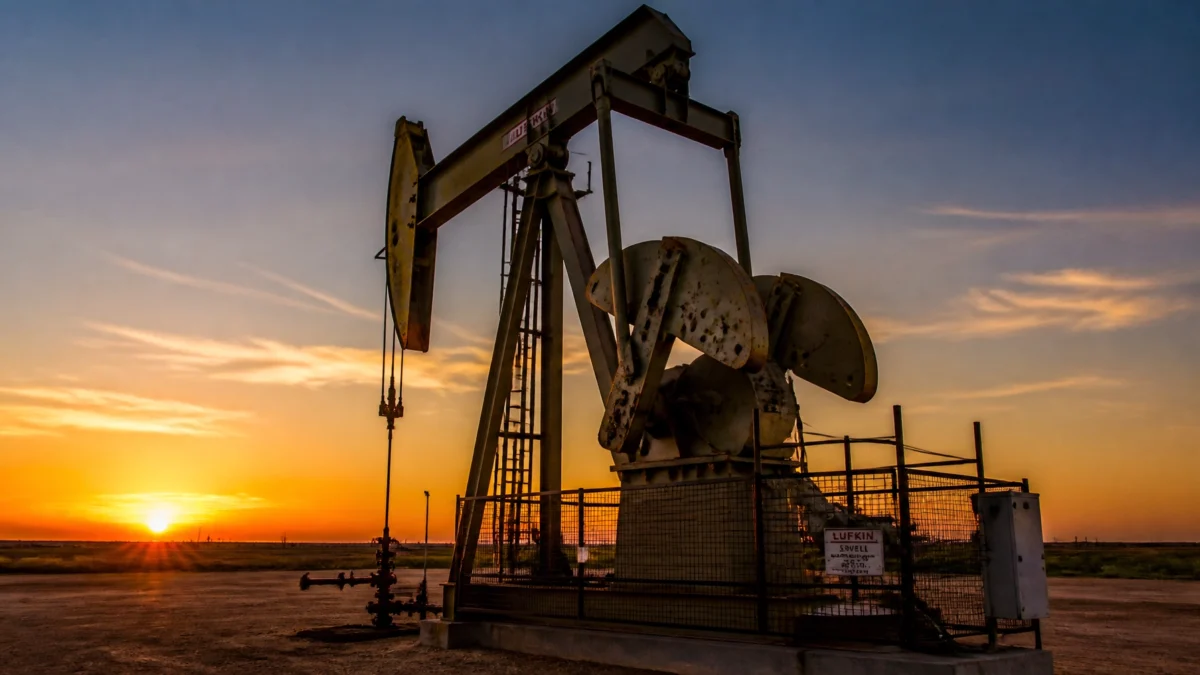
The current financial strength of Texas is largely a reflection of the success of its energy industry. The shale revolution transformed the state’s economy, generating billions of dollars in severance tax revenue. These taxes, levied on the production of oil and natural gas, serve as the primary source of capital for the Economic Stabilization Fund. According to data from the Texas Comptroller, the fund is projected to reach its constitutional cap of approximately $26.51 billion in fiscal year 2026. This cap is a mechanism that redirects excess revenue to the General Revenue Fund once the reserve reaches a certain percentage of the state’s prior income.
The relationship between energy production and fiscal health is symbiotic.
- Oil and gas severance taxes provide at least half of the revenue that flows into the Rainy Day Fund.
- The fund was specifically created in 1988 to cushion the state against the volatility of energy prices and economic downturns.
- Recent projections suggest the fund could grow to $28.5 billion by the end of 2027 if left untouched.
- A withdrawal of $17 billion would leave approximately $10 billion in reserves, which falls below the statutory minimum balance of $12.4 billion for the 2026–2027 biennium.
Maintaining Texas Rainy Day Fund stability ensures that the state remains prepared for the next unforeseen event. Whether it is a collapse in energy prices or a global economic shift, these reserves act as a buffer that allows the government to continue providing essential services without resorting to the drastic cuts seen in 2011.

Future Risks and the Necessity of Texas Rainy Day Fund stability
The debate over the $1,500 household checks often centers on the immediate needs of Texans facing inflation and high housing costs. However, good public policy requires a vision that extends beyond the current news cycle. Texas is a state prone to extraordinary circumstances, ranging from natural disasters to infrastructure failures. If another Hurricane Harvey were to strike tomorrow, or if a weather event similar to Winter Storm Uri left millions without power and water, the state would need immediate access to massive financial resources. Reducing the reserves by two-thirds could leave the state vulnerable during its next hour of need.
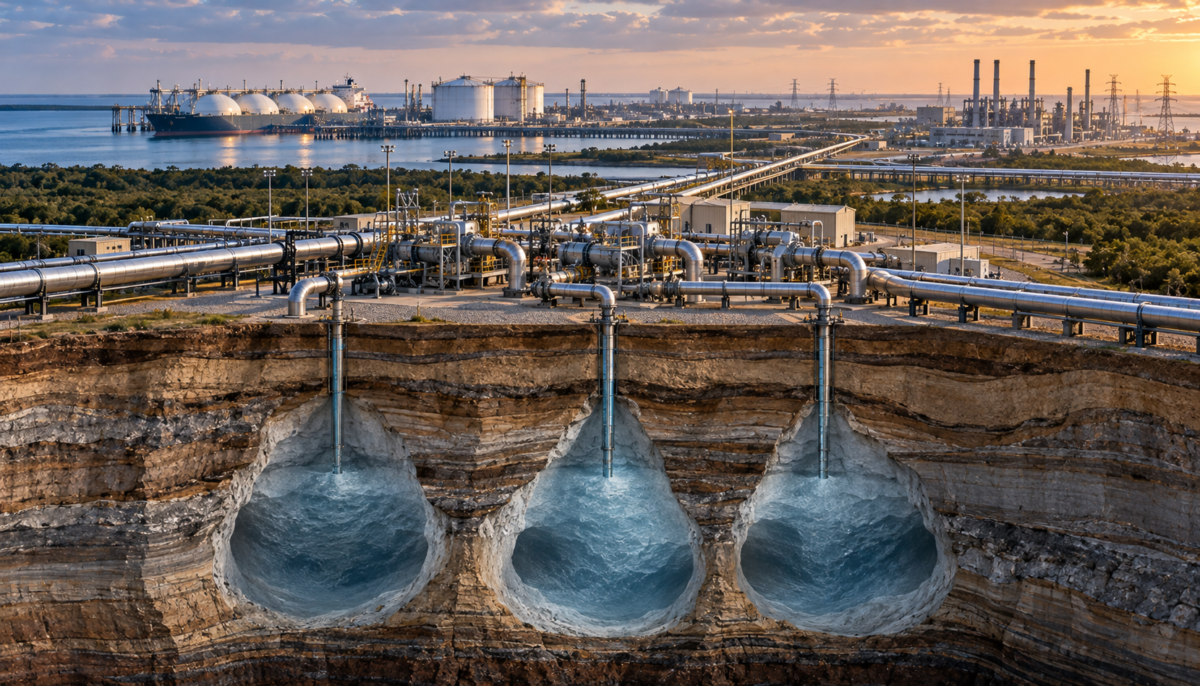
Water infrastructure represents another long-term challenge that demands Texas Rainy Day Fund stability. Rapid population growth and more frequent drought conditions have put immense pressure on water supplies from West Texas to the Hill Country. Aging infrastructure must be replaced, and new sources such as desalination and water recycling require billions of dollars in investment. The state has already utilized the Rainy Day Fund to establish long-term financing for water projects because water security is fundamental to the state’s future. Investing in permanent infrastructure that ensures reliable water for future generations is often a more sustainable use of excess funds than one-time payments that may be exhausted within weeks.

Protecting the Financial Foundation of the Lone Star State
Some argue that the state is “hoarding” money that belongs to its citizens, but an alternative view is that these funds serve as an essential insurance policy for 32 million Texans. Just as a homeowner does not cancel insurance simply because they have not experienced a fire, the state should not deplete its reserves because it is currently in a period of prosperity. The Economic Stabilization Fund allows Texas to respond to floods, wildfires, and economic downturns while protecting education and public safety.
The story of the Rainy Day Fund is ultimately the story of the Texas energy industry. Every dollar deposited into the account is a testament to the productivity of the oil and gas sector. By building this financial foundation, Texas has chosen to prepare for uncertainty rather than simply reacting to it. The lessons of previous generations, who understood that economic booms are often followed by busts, should guide current fiscal management. The Rainy Day Fund is not a surplus to be spent during good times; it is a vital tool for ensuring long-term Texas Rainy Day Fund stability and the continued safety and prosperity of all Texans.
Keep In Touch with Shale Magazine
As the new era of energy unfolds, you can bet we’ll be the boots on the ground to keep you informed. Subscribe to Shale Magazine for sharp insight into the arenas that matter most to your life. And don’t forget to listen to our riveting podcast, The Energy Mixx Radio Show, where our very own Kym Bolado interviews the most extraordinary thought leaders, business innovators, and industry experts of our time.
Subscribe to get more posts from Amanda Jenkins