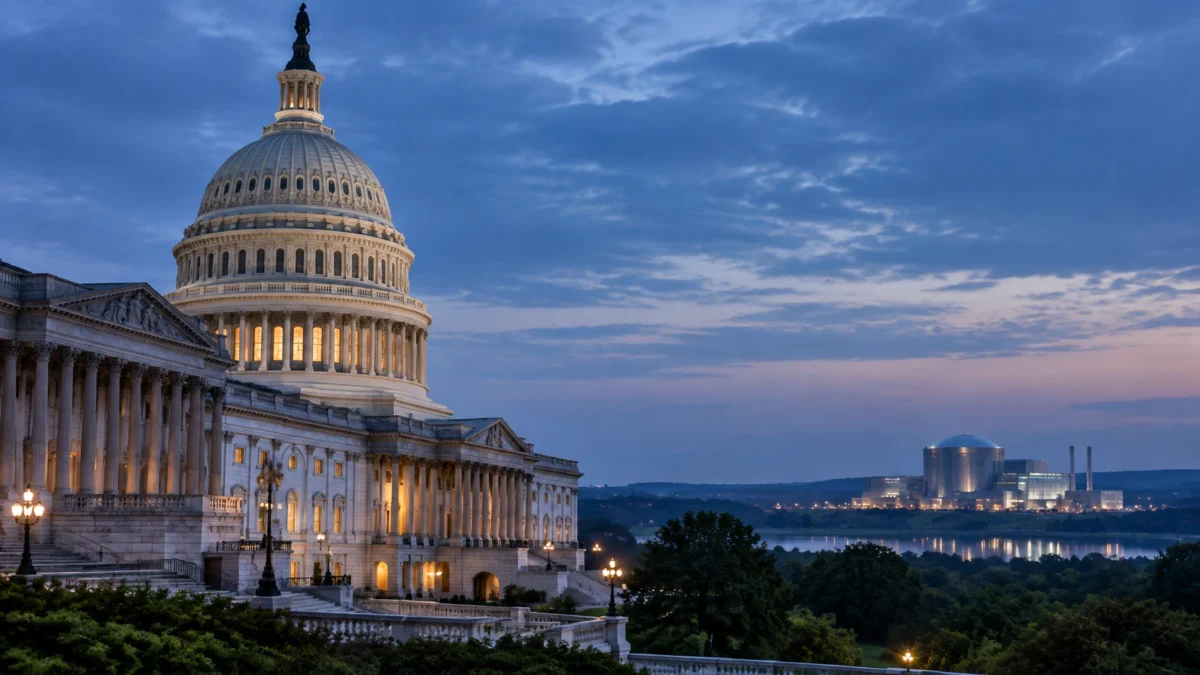
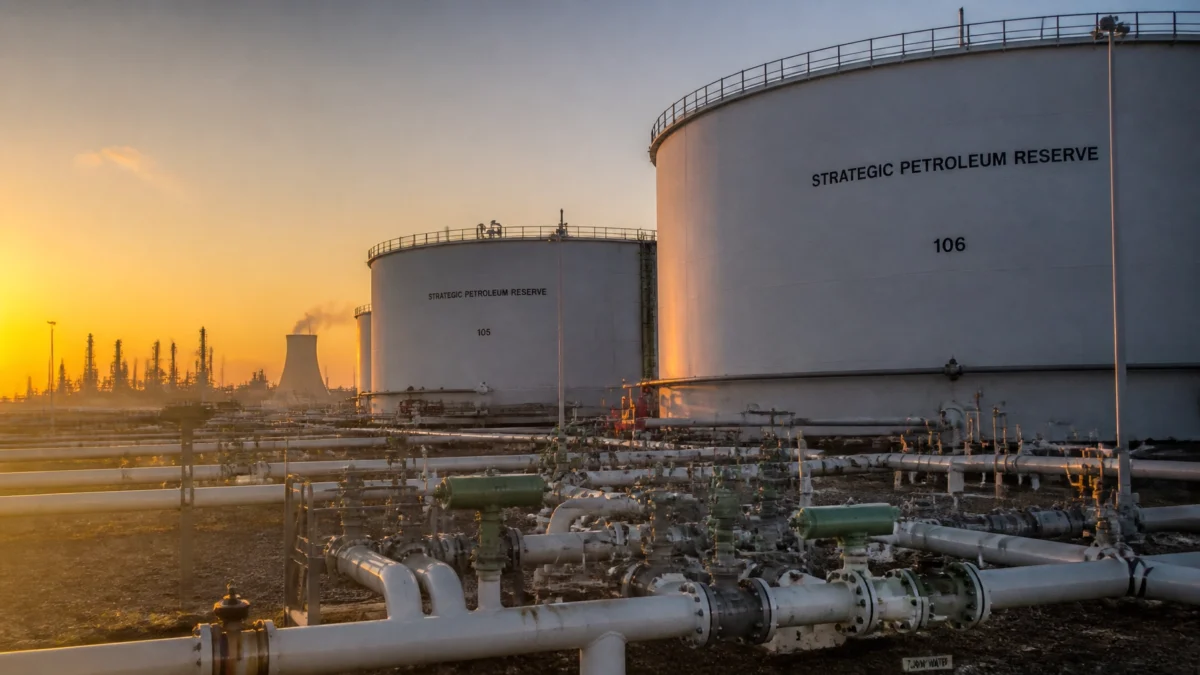
Global oil market stability depends heavily on the strategic management of reserves and the predictable flow of supply through critical maritime chokepoints. In a significant move to address recent supply disruptions and price volatility, the U.S. Department of Energy (DOE) officially issued a new Request for Proposals (RFP) on June 10, 2026, for the exchange of up to 40 million barrels of crude oil from the Strategic Petroleum Reserve (SPR). This action is not a standalone measure but represents a critical tranche of a broader, more ambitious 172-million-barrel U.S. commitment to an International Energy Agency (IEA) coordinated emergency release.
As the energy landscape continues to shift under the weight of geopolitical tensions in the Middle East and evolving domestic policy, these strategic maneuvers are designed to provide a much-needed buffer for the global economy. By injecting substantial volumes into the market, the DOE aims to dampen the impact of supply shocks while simultaneously planning for the long-term replenishment of the nation’s emergency stockpile.
The Mechanics of the 40 Million Barrel Exchange
The recent RFP for 40 million barrels is structured under the DOE’s exchange authority, which differs fundamentally from a traditional oil sale. In an exchange, participating companies borrow crude oil from the SPR with the contractual obligation to return the full volume plus an additional premium of “bonus” barrels at a later date. This model allows the government to provide immediate relief to the market without permanently depleting the reserve. According to current DOE projections, this specific 40-million-barrel exchange will eventually result in a net gain for the SPR, as the premium barrels returned by the industry are expected to exceed the initial volume released.
This 40-million-barrel solicitation is part of the “Oil Release No. 3” under the FY26 emergency program. Bids were finalized on June 15, 2026, with the oil scheduled for delivery over the coming months. This release is a direct response to the heightened risks in the Strait of Hormuz and the broader Middle Eastern theater, where naval security remains a primary concern for energy analysts and policymakers alike. By coordinating with 32 other IEA member nations, the United States is participating in a collective 400-million-barrel release, effectively demonstrating a unified front to maintain global oil market stability.
The scale of this 172-million-barrel U.S. contribution is historic. While the release will temporarily bring SPR inventory levels to their lowest points since the early 1980s: potentially dipping toward 243 million barrels: the exchange structure ensures a path to recovery. Industry analysts from groups like Rystad Energy note that if the return schedules hold, with premiums ranging from 18% to 22%, the SPR could see its levels climb back to pre-release benchmarks by mid-2028.

DOI Policy Shifts and Global Oil Market Stability
While the DOE manages the physical reserves, the Department of the Interior (DOI) is simultaneously reshaping the landscape of domestic production to bolster long-term supply. A major pillar of this strategy involves the official rescinding of the “Public Lands Rule,” also known as the Conservation and Landscape Health Rule. This rule, which previously placed conservation efforts on equal footing with industrial use, has been criticized by some industry leaders as a barrier to rapid energy development.
By prioritizing mining, grazing, and oil and gas production on Bureau of Land Management (BLM) lands, the DOI is sending a clear signal that federal acreage is once again open for business in a way that favors traditional energy sectors. This policy shift is expected to streamline the permitting process for new projects, providing the regulatory certainty needed for capital-intensive investments.
In tandem with these rule changes, the BLM Colorado State Office is executing one of the largest lease sales in recent history today, June 16, 2026. This sale includes 170 parcels covering over 155,816 acres across several counties, including Weld, Rio Blanco, and Garfield. This massive influx of available acreage is a key component in the broader goal of maintaining global oil market stability through increased American output. By opening these lands, the administration hopes to offset the volatility seen in international markets with a steady, reliable stream of domestic crude.
Infrastructure Expansion and the Hydrocarbon Highway
A critical challenge for the U.S. energy sector has always been the midstream bottleneck: getting product from the wellhead to the refinery. This is particularly true in the Uinta Basin of Utah, where the unique properties of waxy crude require specialized transport solutions. In a landmark decision, the BLM recently approved the expansion and paving of a key road through Gate Canyon, a project that is being dubbed the “Hydrocarbon Highway.”
This approval is expected to facilitate the movement of up to 1,000 oil tankers per day. For years, the Uinta Basin’s production has been limited by the lack of rail access and the difficult geography of the region. The Gate Canyon upgrade provides a high-capacity corridor for tank trucks to reach major refining centers, effectively unlocking thousands of barrels of daily production that were previously stranded.
- Project Location: Gate Canyon, Utah
- Intended Use: 1,000 tank trucks per day
- Primary Product: Uinta Basin waxy crude
- Impact: Enhanced midstream reliability and lower regional transport costs
This infrastructure project aligns with other DOE initiatives, such as the modernization of natural gas infrastructure and the strategic investment in baseload power. By addressing the physical constraints of the “Hydrocarbon Highway,” the DOI is complementing the DOE’s SPR maneuvers, creating a multi-front approach to energy security.

Strategic Implications for Global Oil Market Stability
The combination of the 40-million-barrel SPR exchange, the removal of restrictive conservation rules, and the approval of critical infrastructure projects signals a major transition in U.S. energy policy. The overarching objective is to achieve a level of energy independence that protects the American consumer from the fluctuations of a volatile global market.
Data from the Energy Information Administration (EIA) indicates that while the IEA-coordinated release represents only about four days of global oil consumption, its psychological and tactical impact on the market is much larger. It serves as a deterrent to market speculators and provides a safety net for refineries that may be facing temporary disruptions in imported supply. Furthermore, the return of premium barrels to the SPR ensures that the nation’s “energy insurance policy” will be stronger in the future than it is today.
As we look toward the remainder of 2026 and into 2027, the focus will remain on permitting relief and the continuous monitoring of global supply chains. The coordinated efforts of the DOE and DOI highlight the complexity of the modern energy spectrum, where hydrocarbons continue to play a central role in ensuring national security and economic resilience.

Conclusion
The new 40 million barrel SPR exchange and the subsequent policy shifts at the DOI represent a calculated response to a world in flux. By leveraging the physical assets of the Strategic Petroleum Reserve and the vast potential of federal lands, the U.S. is positioning itself as a stabilizing force in the global economy. Whether it is through the technical complexity of the Gate Canyon “Hydrocarbon Highway” or the high-level diplomatic coordination of an IEA release, the goal remains the same: a secure, reliable, and affordable energy future for all.
Keep In Touch with Shale Magazine
As the new era of energy unfolds, you can bet we’ll be the boots on the ground to keep you informed. Subscribe to Shale Magazine for sharp insight into the arenas that matter most to your life. And don’t forget to listen to our riveting podcast, The Energy Mixx Radio Show, where our very own Kym Bolado interviews the most extraordinary thought leaders, business innovators, and industry experts of our time.
Subscribe to get more posts from Amanda Jenkins