President Trump has made big promises about the future of energy in the United States, but has so far been unable to deliver on lower energy bills. A recent report found that, rather than cutting costs, Trump’s energy policies have driven up consumer energy bills over the last year.
Trump’s Big Energy Pledges
Upon entering office in January 2025, President Trump declared an “energy emergency”, saying that the U.S. must move away from Biden’s policy of green transition – “the green new scam” – to return to one of fossil fuel expansion.
Trump doubled down on this initiative over the following months by issuing a series of executive orders that limited the development of new renewable energy projects while encouraging the expansion of oil, gas, and coal operations, as well as nuclear power. The purpose of this policy push, Trump said, was to lower energy prices.
The Trump administration made over one billion acres of federal land and water available for oil and gas drilling, revoked Environmental Protection Agency regulations that restricted fossil fuel development, and prolonged the life of ageing coal plants. Trump also called for Nuclear safety regulators to ease restrictions on new reactor approvals.
Meanwhile, the federal government repealed subsidies for solar panels, wind turbines, and electric vehicles (EVs). Trump has also personally attacked offshore wind, stating in January, “My goal is to not let any windmill be built. They’re losers,” as he attempted to quash development through (so far failed) legal processes.
Prakash Sharma, the vice president for scenarios and technologies at Wood Mackenzie, explained, “The view was that with low-cost oil and gas available domestically, they would be able to increase supply and production quickly, and as a result, keep prices under check.”
The rapid overhaul of U.S. energy policy has transformed the country’s energy sector to refocus on fossil fuels and nuclear power, while slowing renewable energy development and the rollout of EVs and cleantech.
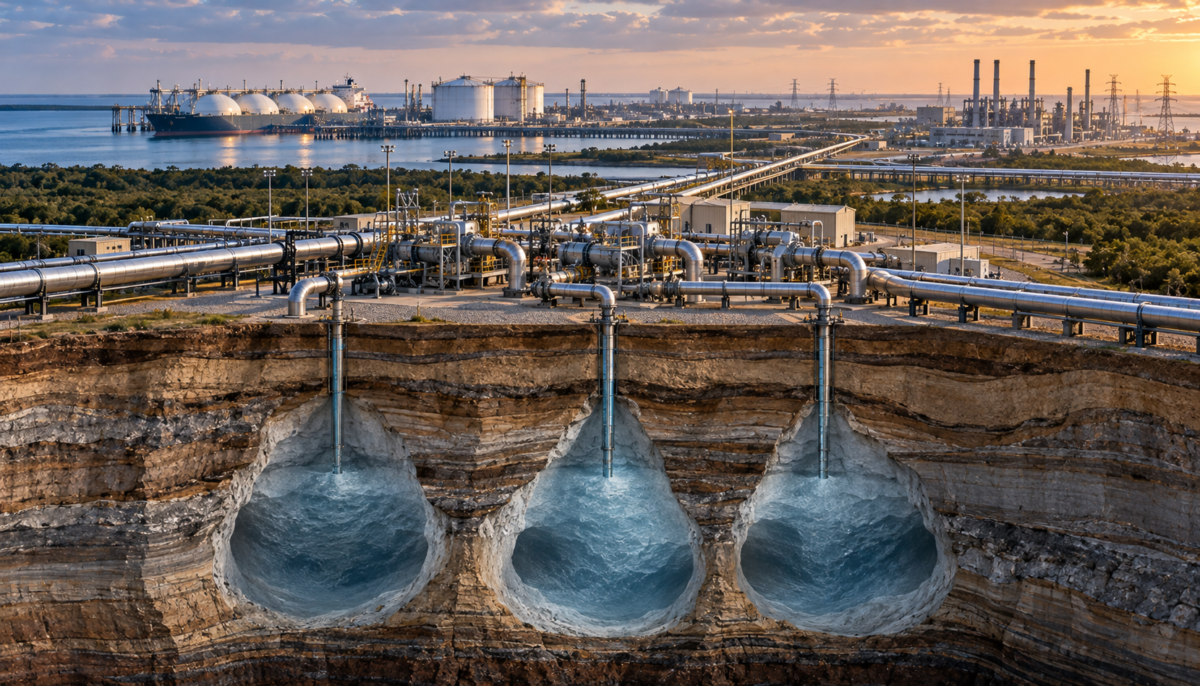
Liquefied natural gas (LNG) exports are also soaring to record levels. Meanwhile, domestic coal consumption, which had sharply declined in previous years, has experienced a modest rebound this year.
Unfulfilled Promises
The clean energy think tank Energy Innovation published a report in July suggesting that limiting energy development while demand continues to grow will likely drive up consumer energy bills for the next decade.
Affordability has become a key issue among voters, particularly due to rising inflation and concerns over geopolitical tensions that are constraining energy supply chains and calling U.S. energy security into question.
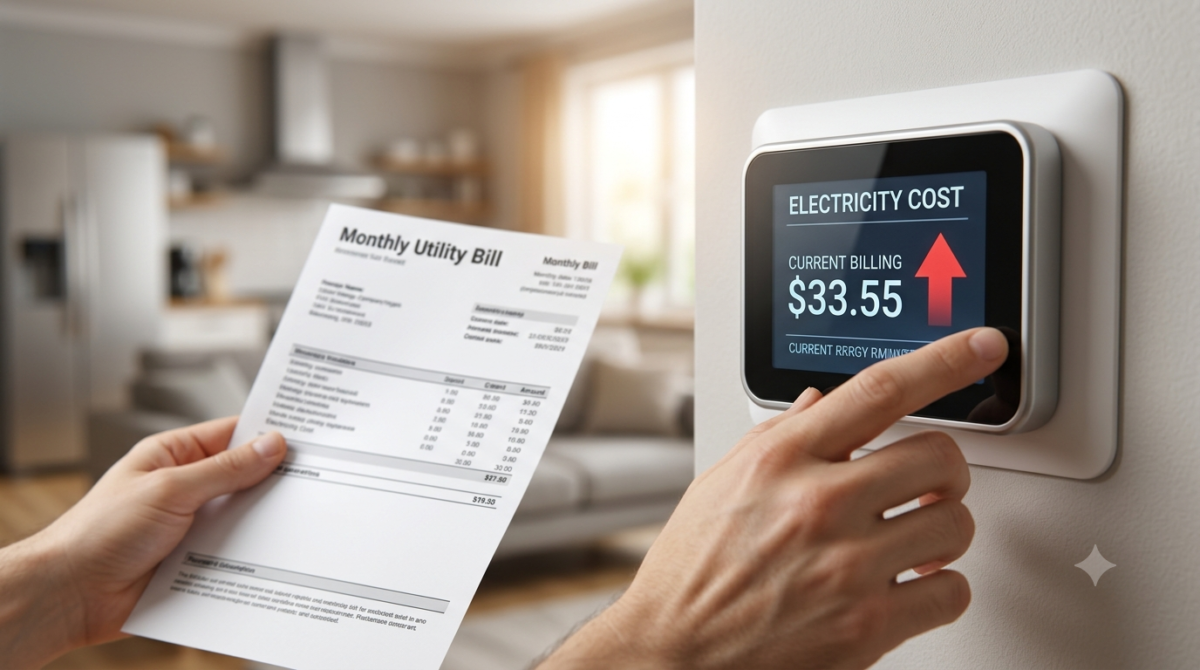
During the presidential campaign, Trump vowed to halve consumer electricity bills in his first year in office. However, his energy policies are expected to increase U.S. household energy bills by over half a trillion dollars by 2040, the report found. On average, households will pay $460 more for energy by 2035 and up to $490 more by 2040, according to Energy Innovation. One interactive map shows just how Trump’s energy bills will affect each state.
White House spokesperson Taylor Rogers responded to the report, saying that the Trump administration does not believe Energy Innovation’s report is fair and nonpartisan. “It’s no surprise that Energy Innovation — an organization that received over $20 million in direct funding from one of the largest progressive dark money groups — wrote a fraudulent analysis on President Trump’s One Big Beautiful Bill,” Rogers said in a statement. “The reality is the Working Families Tax Cuts ended Biden’s costly Green New Scam, rolled back burdensome regulations, and bolstered U.S. energy production to lower prices for American families.”
However, it is not just Energy Innovation that has documented the rise in consumer energy bills in recent months, with electricity prices up by around 7.4% since last fall and some states reporting double-digit year-over-year increases. This has largely been driven by rising electricity demand from the rapid deployment of power-hungry data centres across the country. In addition to higher electricity bills, consumers have also seen their gas bills increase due to inflation.
One Year After One Big Beautiful Bill
The link between President Trump’s energy policies and rising consumer energy bills has been pointed out by various sources in recent months. While policy choices do not act in isolation to determine energy prices, they do shape market outcomes.
Proponents of the Trump administration’s policies say they promote “energy independence”. However, they have also increased reliance on global fuel markets while dismantling the lowest-cost sources of new domestic power. This has led to higher prices, greater volatility, and the protection of fossil fuel profits, with households ultimately left to foot the bill.
Estimates suggest that home heating costs will rise by 9.2% this winter, at more than three times the rate of inflation, driven by higher electricity and natural gas prices and a colder-than-average winter.
In July, the Sierra Club assessed the progress one year after Trump’s One Big Beautiful Bill became law. Sierra Club Legislative Director Melinda Pierce issued a statement saying, “One year after Donald Trump signed his signature legislative achievement… into law, what do Americans have to show for it? Jobs cut, higher electricity prices, and more pollution in our air and water. We are far worse off than before this reckless effort to gut renewable energy in favor of more expensive fossil fuels.”
Most high-income countries now favor energy diversification, not only to support a green transition but to ensure the future of their energy security. Developing a diverse range of energy sources prevents overdependence on any single source and reduces reliance on energy imports, which typically helps lower consumer energy bills.
However, President Trump has taken the opposite approach by focusing strictly on fossil fuels and slow-to-develop nuclear energy, which has pushed energy bills higher, a trend that is set to continue under the administration’s current energy policies.
Keep In Touch with Shale Magazine
As the new era of energy unfolds, you can bet we’ll be the boots on the ground to keep you informed. Subscribe to Shale Magazine for sharp insight into the arenas that matter most to your life. And don’t forget to listen to our riveting podcast, The Energy Mixx Radio Show, where our very own Kym Bolado interviews the most extraordinary thought leaders, business innovators, and industry experts of our time.
Subscribe to get more posts from Felicity Bradstock