Hawaii has pursued a green transition policy in recent years, aiming to reduce its reliance on fossil fuels and improve self-sufficiency by developing renewable energy projects. The state, which is extremely vulnerable to climate change, sees this as key to ensuring its energy security.
Hawaii Energy Overview
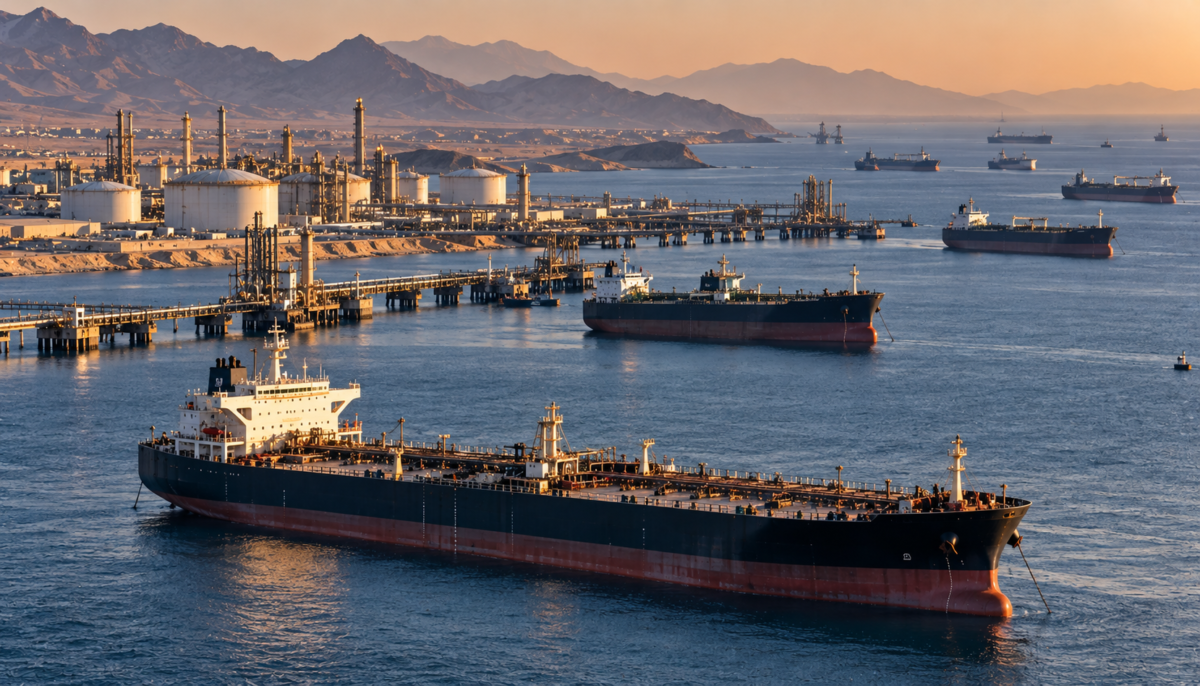
Hawaii has the fourth-lowest total energy consumption of any U.S. state, yet it still used 16 times as much energy as it produced in 2023, according to the Energy Information Administration (EIA). The need to import energy means that Hawaii had the highest average electricity price of any state in 2025, at around triple the U.S. average.
That same year, around 34% of Hawaii’s electricity production came from renewable energy. Roughly 25% of its electricity came from solar power, mainly from small-scale projects. Hawaii has the 13th-highest small-scale solar generation among the states, with roughly 50% of homes on Oʻahu, the state’s most densely populated island, having rooftop solar.
The archipelago has big green energy ambitions, with its three main islands of Kauai, Hawaii, and Maui aiming to obtain 100% of their electricity from renewable sources by 2035. Nevertheless, petroleum accounted for around 92% of the state’s total energy consumption in 2023, the highest share of any state, underscoring its heavy dependence on fossil fuels.
Clean Energy Initiative
The Hawaii Clean Energy Initiative (HCEI) is a framework of statutes and regulations supported by a diverse group of stakeholders committed to achieving a green transition. The HCEI was launched in 2008 with support from the U.S. Department of Energy in a bid to reduce Hawaii’s dependence on fossil fuel imports. Assessments at the time suggested that between 60% and 70% of the state’s future energy needs could be met by developing its local renewable energy capacity, including solar, wind, bioenergy, hydroelectricity, and geothermal power.
Since 2008, the state government has pushed the green agenda through favorable new policies. In 2023, Governor Josh Green renewed Hawaii’s commitment to achieving the nation’s first-ever wholly renewable portfolio standard by 2045, issuing an Executive Order in January 2025 to accelerate the transition. Then, in October 2025, Hawaii signed a Strategic Partnering Agreement with Japan’s largest power producer, JERA, to upgrade its transmission infrastructure, accelerate the retirement of aging assets, and enhance system reliability and resilience.
Challenges to a Green Transition
Several challenges stand in the way of Hawaii’s green transition ambitions as it recovers from various natural disasters. In 2023, a hurricane took down power lines, sparking wildfires on Maui that resulted in 102 people losing their lives. This has incurred high costs for the state utility, Hawaiian Electric, which may now struggle to afford to invest in green transition aims.
There have long been high hopes for Hawaii’s geothermal energy thanks to the region’s volcanic environment. In 2017, at its peak, geothermal energy production contributed 30% of the state’s electricity. However, a volcanic eruption reduced Hawaii’s geothermal energy output. The government now plans to complete a 20% capacity expansion by late 2026.
Another hurdle to reducing Hawaii’s fossil fuel dependence is the state’s heavy reliance on tourism for revenue. As decarbonizing shipping and air travel is extremely difficult and cannot be achieved through expanding renewable energy capacity, Hawaii must explore ways to mitigate tourism-related emissions.
To this end, in 2022, Hawaii’s state legislature passed an act calling for the state energy office to analyze pathways to achieve the state’s economy-wide decarbonization goals.
Turning to Natural Gas
Hawaii’s previous administration was staunchly opposed to natural gas, believing that shifting reliance to another fossil fuel would impede its green energy goals. However, the new administration is more open to the “transition fuel”.
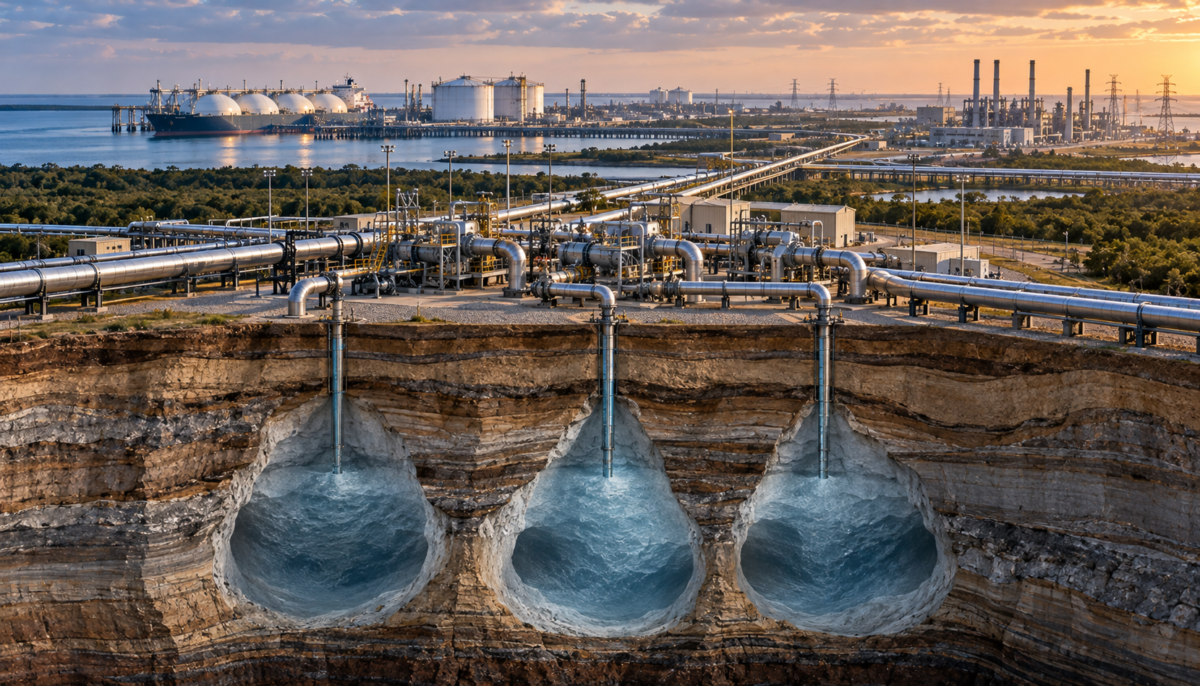
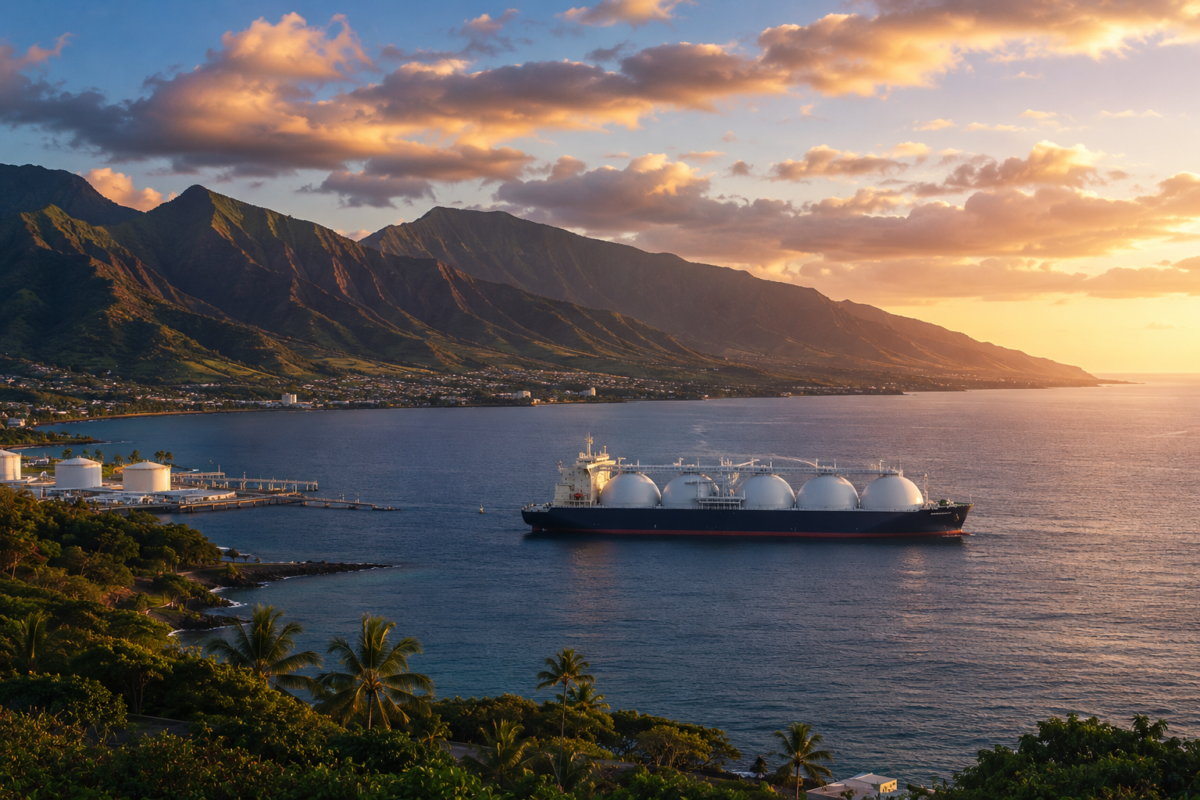
The state government has signed a preliminary deal with Japan’s JERA to supply liquefied natural gas (LNG) to lower electricity prices. Hawaii plans to develop its LNG import infrastructure to support this move, with JERA expected to pay $2 billion to construct a floating LNG import terminal called Longboard LNG.
The plan is for tankers to dock every three to four weeks to unload LNG, which would be transported via a pipeline to shore and then to a new 500-megawatt power plant to serve Oʻahu. The proposed plant is expected to meet around 40% of the island’s highest recorded electricity demand, with commercial operations potentially commencing as soon as 2030.
The move has irked environmentalists who are concerned that establishing a long-term LNG deal will delay progress towards achieving 100% low-carbon electricity generation. Chris Lee, a Democratic state senator, explained, “You can’t solve this problem of a reliance on imported oil by moving to another import that we don’t control.”
Several setbacks, including the COVID-19 pandemic and various natural disasters, have already delayed progress, they argue, and importing LNG could further impede efforts to develop Hawaii’s renewable energy capacity.
Keep In Touch with Shale Magazine
As the new era of energy unfolds, you can bet we’ll be the boots on the ground to keep you informed. Subscribe to Shale Magazine for sharp insight into the arenas that matter most to your life. And don’t forget to listen to our riveting podcast, The Energy Mixx Radio Show, where our very own Kym Bolado interviews the most extraordinary thought leaders, business innovators, and industry experts of our time.
Subscribe to get more posts from Felicity Bradstock