Canada LNG Export Capacity Is Set to Double
Canada plans to expand its liquefied natural gas (LNG) export capacity and develop a major new oil pipeline to strengthen its energy security and diversify its energy partners beyond the United States. This comes amid stalled negotiations for a revised United States-Mexico-Canada Agreement (USMCA) and under far-reaching tariffs imposed by President Trump last year.
Canada’s Ongoing Dependence on the United States
Natural gas imports from Canada averaged 8.6 billion cubic feet per day (Bcf/d) in 2025, according to the U.S. Energy Information Administration. Meanwhile, U.S. natural gas exports to Canada increased by 4% in 2025 to an average of 2.8 Bcf/d.
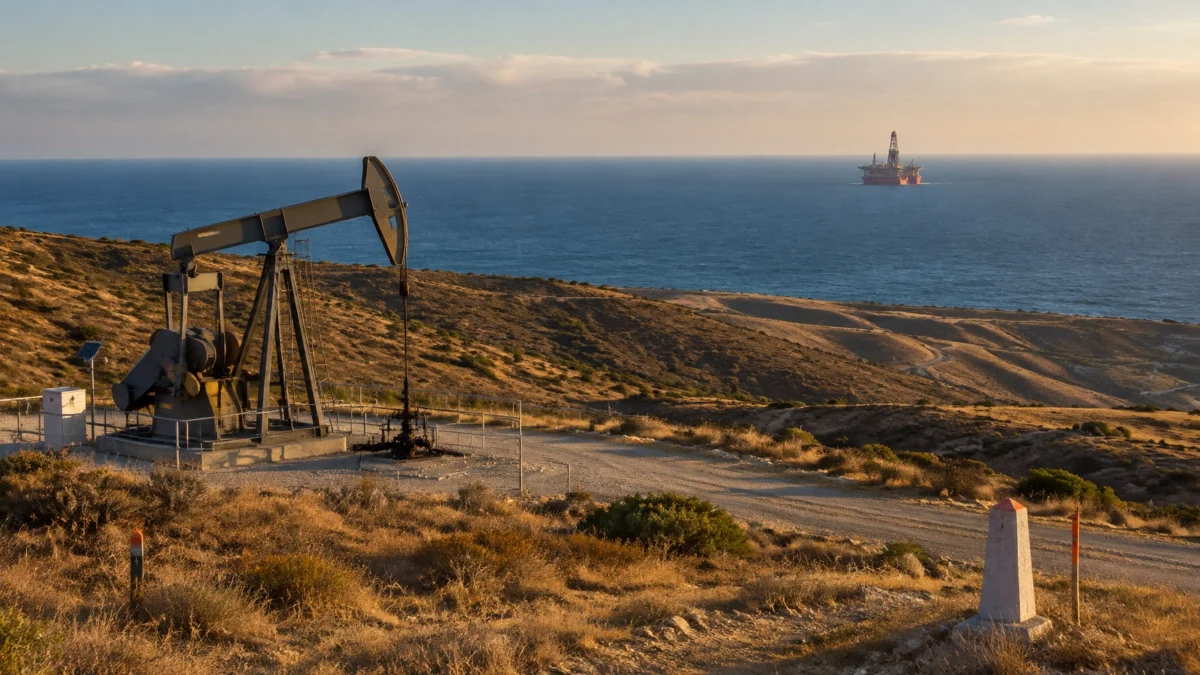
Canada exports around 80% of its crude oil production, with approximately 90% of exports going to the United States, a pattern enabled by its deeply integrated energy infrastructure. In 2024, Canadian oil accounted for more than 60% of U.S. crude imports.
In 2025, Canada exported a record 4.3 million barrels a day (bpd) of crude, with 3.9 million bpd, or just over 90%, going to the U.S., according to the Canada Energy Regulator. This means that Canada continues to rely heavily on the United States as its main customer for oil and gas revenues.
Canada Plans to Double LNG Export Capacity
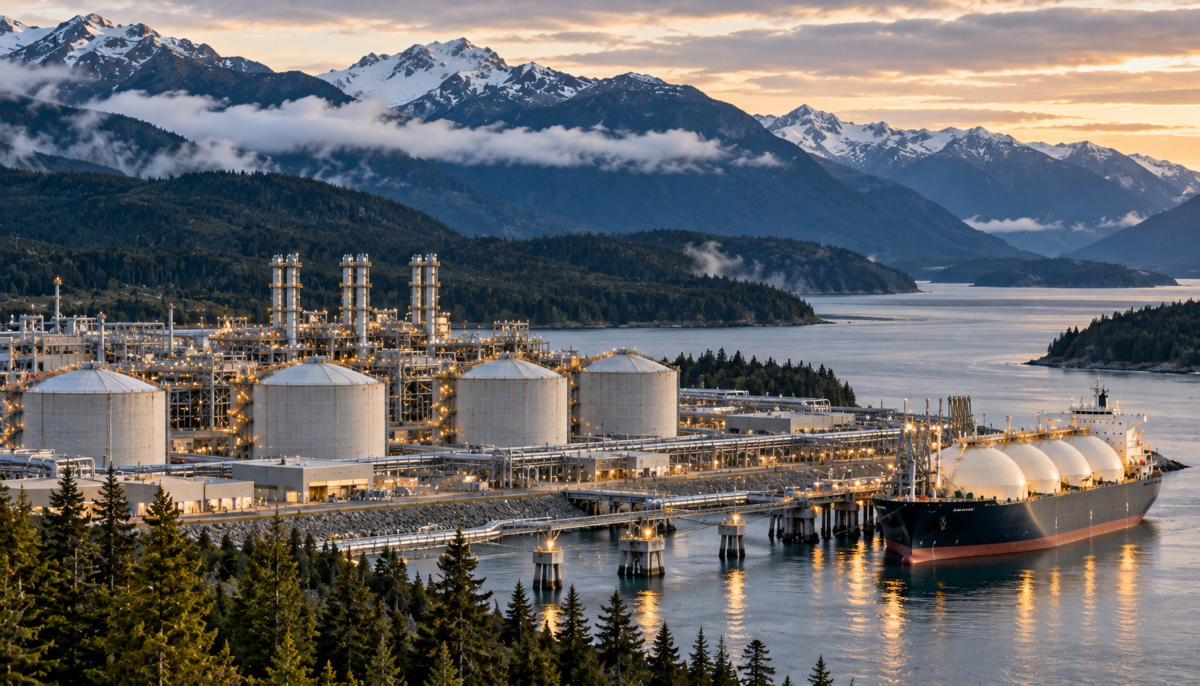
LNG Canada announced a final investment decision in September for a roughly C$33 billion expansion of its export terminal in British Columbia, a project that would double the facility’s capacity from 14 million to 28 million metric tons per year.
The announcement followed a final investment decision by LNG Canada’s joint-venture partners. Phase 2 will add two LNG processing trains, another storage tank, an additional loading berth, and expanded utility and process systems, with remaining permitting, consultation, and construction work continuing as the project moves into execution.
LNG Canada is owned by Britain’s Shell, Malaysia’s Petronas, PetroChina, Japan’s Mitsubishi Corp., and South Korea’s KOGAS. Its Kitimat facility, Canada’s first large-scale LNG export terminal, commenced export operations in 2025. Natural gas produced in western Canada is transported to the terminal to be liquefied and loaded onto vessels for export, mainly to Asian markets.
Prime Minister Mark Carney has said the expansion would make LNG Canada the world’s second-largest LNG terminal and support thousands of construction jobs. Carney stated, “Today’s investment is being made in a different environment: a more dangerous and divided world… A world where Canada fully values export diversification and the greater sovereignty it confers.”
To support the LNG expansion, TC Energy is proceeding with Coastal GasLink Phase 2, which is expected to almost double the capacity of about 2.1 Bcf/d by adding compressor stations and upgrading facilities along the existing 670-kilometre route from Dawson Creek to Kitimat. In October, TC Energy announced an agreement giving five First Nations an economic interest in the entity that holds its limited-partner stake in Coastal GasLink.
Trying to Reduce Reliance on the United States
The Kitimat expansion also fits Carney’s broader push to diversify Canadian trade beyond the United States, an objective that has gained urgency amid renewed U.S. tariffs and uncertainty surrounding the North American trade relationship.. Canada is currently renegotiating the terms of the USMCA, as part of a mandatory six-year joint review that began in July. However, formal talks between the United States and Canada stalled in August.
Carney has highlighted the importance of Canada’s Pacific Coast, which he said gives the project an advantage over U.S. LNG exporters, as shipments from Kitimat can reach Asia in just eight to 10 days, less than half the time it takes from the U.S. Gulf Coast.
Carney’s energy ambitions do not stop at Kitimat. On October 1, Prime Minister Carney formally announced plans to construct a new “Pacific Link” oil pipeline, which he called “a project of national interest,” a designation that could allow for an accelerated regulatory approval process.
If approved, the pipeline would be capable of transporting 1 million bpd of crude from Alberta’s oil sands region to the coast of British Columbia. He said that once construction is complete, a large-scale export route will be developed to transport oil from Canada’s western oil fields to the Pacific coast.
Canada already has one major crude-oil pipeline system reaching the Pacific Coast: the expanded Trans Mountain system, which has capacity of roughly 890,000 barrels per day from Alberta to British Columbia. Its expansion has already reduced Canada’s dependence on the U.S. market by opening greater access to Asian buyers, but policymakers are now considering whether additional west-coast capacity is needed.
Diversifying Energy Alongside Mexico
Canada has also been exploring deeper energy cooperation with Mexico as both countries look for ways to diversify trade and strengthen North American energy security. Prime Minister Carney and Mexican President Claudia Sheinbaum have discussed broader cooperation on energy and natural resources under the Canada-Mexico strategic partnership, although the United States remains by far Mexico’s dominant natural-gas supplier.
In September 2025, Mexico and Canada announced the launch of the Canada-Mexico Action Plan 2025–2028, which provides a broader framework for cooperation on trade, investment, energy, natural resources, infrastructure, security, and sustainability.
Keep In Touch with Shale Magazine
As the new era of energy unfolds, you can bet we’ll be the boots on the ground to keep you informed. Subscribe to Shale Magazine for sharp insight into the arenas that matter most to your life. And don’t forget to listen to our riveting podcast, The Energy Mixx Radio Show, where our very own Kym Bolado interviews the most extraordinary thought leaders, business innovators, and industry experts of our time.