Could Iranian Crude Oil and Condensate Revenue Dry Up by Mid-December?
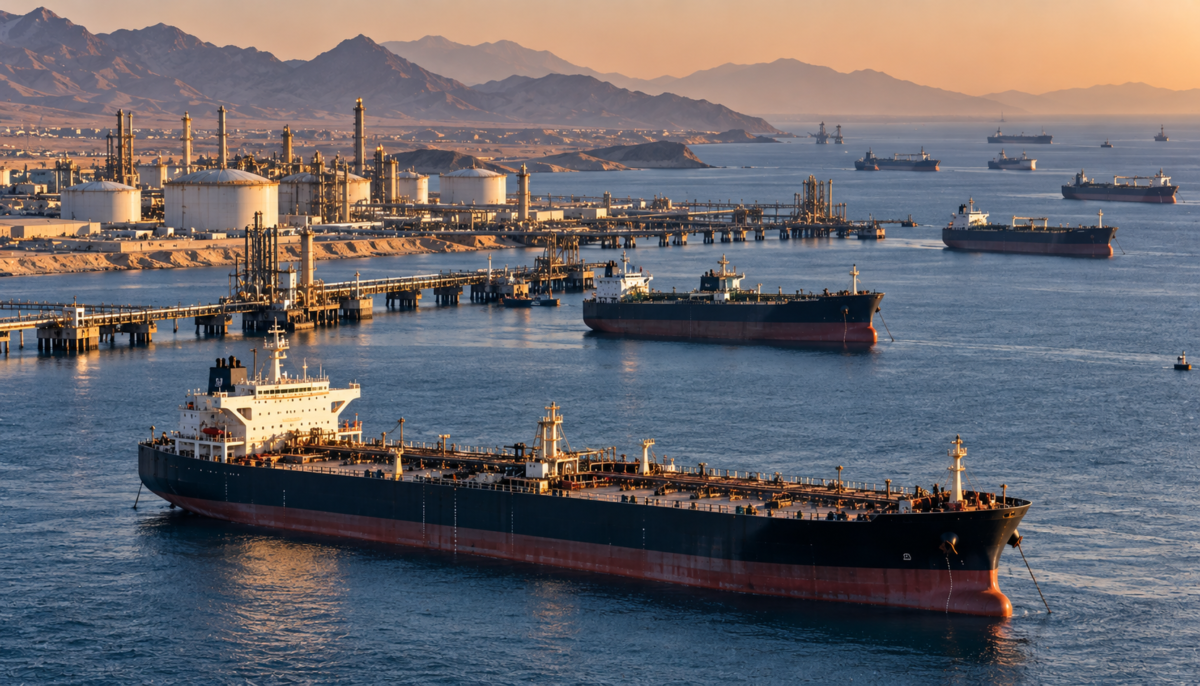
The trade analytics platform Kpler estimates that only about 8 million barrels of Iranian crude oil and condensate remained on the water beyond the U.S. blockade line in early October, down from nearly 90 million barrels in mid-July, which Kpler expects to be discharged by around October 18. The shipments outside the blockade are expected to be delivered to Chinese buyers, with payments potentially arriving by mid-December.
After this, “revenues from crude and condensate will drop to zero for the first time ever,” Homayoun Falakshahi, head of crude oil analysis at Kpler, told reporters. This could lead Iran to lose between $3 billion and $6 billion in monthly oil income, according to Falakshahi.
The United States reimposed a blockade on Iranian ports on July 14 in a bid to restrict Iran’s energy exports and apply greater economic pressure.
Kpler’s Forecast and the Evidence
Iran has not loaded any crude oil or condensate onto tankers since around August 26 or 27, according to Kpler data, making September the first full month without loadings since the 1979 Islamic Revolution. “This is a first in history,” said Falakshahi.
Vortexa has reported similar pressure across Iran’s broader energy exports. Iranian liquefied petroleum gas exports fell 48% month over month to their lowest level since at least January 2023, suggesting that the disruption is extending beyond crude oil and condensate.
Vortexa’s director of maritime risk and intelligence, Claire Jungman, stated, “The blockade is doing what years of sanctions never managed: it has physically stopped Iranian crude from leaving the Gulf.”
Unlike financial sanctions, which Iran has historically circumvented, the physical blockade has been harder to circumvent. Some independent refiners have sought to transport Iranian crude through Iraq to disguise its origin before exporting it to China. However, overland transport would be difficult to scale, would attract significant scrutiny, and would be unlikely to replace seaborne exports in meaningful volumes.
“Iran has a history of evading sanctions successfully to an extent… But this seems a lot more challenging,” explained Falakshahi.
The U.S. Expands Sanctions Enforcement
On October 8, the United States imposed additional sanctions on Iran, including targeting 17 tankers for transporting Iranian crude oil, oil products, and petrochemicals. “Today’s action represents the most significant blow yet to Iran’s remaining illicit maritime infrastructure by neutralizing the vast majority of the shadow fleet,” an official from the U.S. Treasury Department told reporters.
The move doubles down on the United States’ efforts to restrict Iranian oil sales, following the imposition of the blockade in July. However, an analyst told Reuters that as the U.S. sanctions vessels after Iran has delivered virtually all its oil at sea, the impact will be limited.
Global Oil Markets and Asian Importers
In September, overall crude, condensate, and petroleum-product exports from Gulf producers excluding Iran recovered to more than 81% of pre-war levels, led by a rebound in Saudi shipments, according to Vortexa. The recovery has helped ease some of the immediate supply pressure, while increased Russian flows have also reduced China’s dependence on Iranian crude.
Crude exports through the Strait of Hormuz have rebounded substantially as Gulf producers have relied on a combination of naval protection, alternative pipelines and ports, modified shipping patterns, and other workarounds. Even so, Brent crude has remained above $100 a barrel amid persistent security risks, elevated insurance costs, and expensive transportation.
Security conditions around the Strait of Hormuz have again deteriorated in mid-October. Iranian officials have renewed threats to restrict shipping through the corridor, while recent attacks on commercial vessels have underscored the continuing risk to tanker traffic. Any sustained disruption would place renewed pressure on crude and petroleum-product flows just as winter demand begins to rise.
Both officials suggested that Tehran is moving towards a situation in which no vessel violating its restrictions would be able to pass through the strait, meaning “It will be complete closure soon”. This could lead to further restrictions on oil and petro-product trade in the lead-up to the winter months.
The Consequences for Iran’s Economy
Oil revenues remain Iran’s main source of foreign currency, meaning a halt to exports could have significant repercussions for the national economy, particularly since Chinese buyers tend to pay in dollars, which has helped Iran counter the currency depreciation of recent months.
The Iranian currency has already weakened sharply since the blockade was reimposed in July. The toman, the unofficial unit commonly used in everyday transactions, fell from roughly 183,000 per U.S. dollar in mid-July to around 230,000 per dollar by early October, adding to domestic financial pressure.
With lower energy revenue, Iran’s government may find it harder to finance regional allies, depending on its spending priorities at home and abroad. Greater financial pressure could also weaken Tehran’s bargaining position with Washington.
What happens next?
Iran’s economic outlook will depend heavily on whether the U.S. blockade remains in place and whether Tehran can establish alternative routes for selling its oil. Recovering Gulf exports and additional Russian supply may limit the effect on global crude markets, but renewed threats to shipping through the Strait of Hormuz could create another round of disruption. The next several months will show whether economic pressure can meaningfully constrain Iran’s finances or alter Tehran’s negotiating position.
Keep In Touch with Shale Magazine
As the new era of energy unfolds, you can bet we’ll be the boots on the ground to keep you informed. Subscribe to Shale Magazine for sharp insight into the arenas that matter most to your life. And don’t forget to listen to our riveting podcast, The Energy Mixx Radio Show, where our very own Kym Bolado interviews the most extraordinary thought leaders, business innovators, and industry experts of our time.