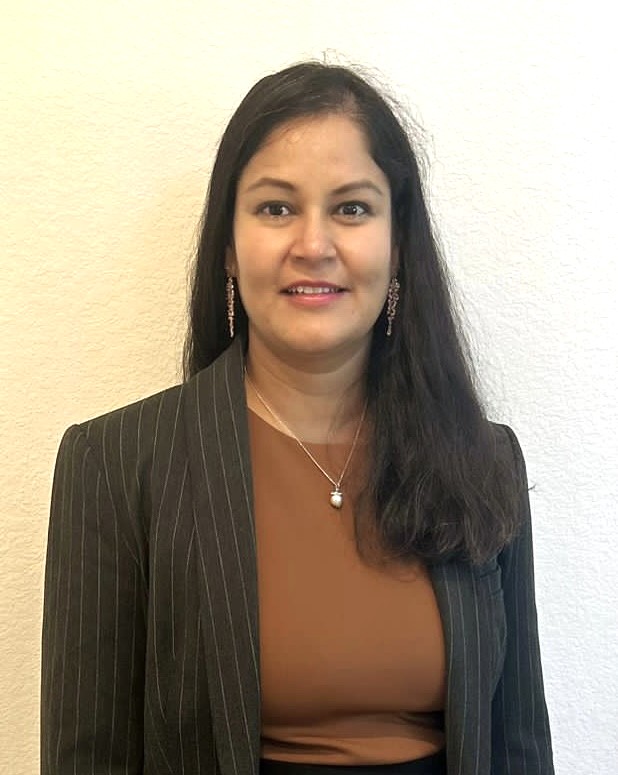
Electrical engineer Shilpa Mesineni specializes in modeling, simulation, digital twins, and advanced validation methodologies that help energy companies evaluate complex systems, improve operational reliability, reduce technical risk, and make more informed engineering decisions throughout the development and deployment of new technologies. In this interview, she discusses how simulation-driven engineering is changing the way modern oil and gas systems are designed, tested, and optimized.
A SHALE Exclusive By Ellen F. Warren
Modern oil and gas operations depend on increasingly sophisticated electrical, automation, and control systems, making it more difficult than ever to evaluate performance, reliability, and operational risk before equipment is deployed. Traditional testing remains essential, but it cannot always capture every operating condition, failure scenario, or design alternative that engineers need to evaluate. Modeling, simulation, and digital engineering have therefore become essential tools for understanding how these complex systems behave under real-world operating conditions, allowing engineers to explore design alternatives, validate new technologies, and make better-informed decisions while reducing development time, technical uncertainty, and operational risk.
Recognized for developing simulation-driven methodologies for complex energy systems, electrical engineer Shilpa Mesineni, CEng, a Fellow of the Society of Naval Architects and Marine Engineers (SNAME) and the Institute of Marine Engineering, Science & Technology (IMarEST), specializes in advanced modeling, simulation, digital twins, and systems engineering. Her expertise spans drilling systems, electrification technologies, energy storage, automation, and other complex systems across oil and gas, maritime, and large-scale industrial applications where physical testing alone is often impractical, costly, or unable to capture the full range of operating conditions. Software-in-the-Loop (SIL), Model-in-the-Loop (MIL), and Hardware-in-the-Loop (HIL) methodologies have played a central role in her work to improve system validation, operational reliability, and engineering decision-making across complex energy infrastructure.
In this interview, Mesineni explains how engineers use advanced modeling techniques to evaluate new technologies before deployment, compare competing design strategies, and improve confidence in complex engineering decisions. The conversation also explores the growing role of digital twins, artificial intelligence, and systems-based validation in helping oil and gas organizations improve reliability, operational performance, and long-term asset planning.
ELLEN WARREN: Oil and gas operations are becoming increasingly dependent on electrification, automation, intelligent controls, and connected equipment. How have these trends changed the way engineers evaluate system performance and reliability before new technologies are deployed?
SHILPA MESINENI: The biggest change I’ve seen is that engineers increasingly have to understand the behavior of the entire system before equipment reaches the field. A drilling operation may depend on electrical equipment, mechanical systems, programmable logic controller (PLC) logic, automation, communications, and operator actions all working together. A problem in one area can affect the performance of several others, so evaluating individual components tells us only part of what we need to know.
Earlier in my career, I worked on drilling-rig simulation environments that reproduced well conditions and connected virtual equipment models with actual control-system logic. We could test PLC code, examine how the controls responded to changing operating conditions, and recreate failure scenarios before encountering those conditions on a working rig. That experience showed me how valuable simulation can be when engineers need to understand interactions that are difficult to evaluate through component-level testing alone.
As electrification, automation, and connected systems have become more sophisticated, that systems-level view has become even more important. Engineers can now combine simulation with operational data to examine load changes, control responses, equipment interactions, and potential failure modes much earlier in the development process. For me, the value is in being able to ask more demanding questions before deployment: How will the system respond when conditions change? Where are the dependencies? What happens when something doesn’t behave as expected? Answering those questions early gives engineering teams a much stronger basis for improving reliability and reducing operational risk.
EW: Much of your work has focused on modeling, simulation, and digital engineering for complex energy systems. Why have these capabilities become such valuable engineering tools for reducing technical risk and improving design decisions?
SM: Modeling becomes especially valuable when the number of possible operating conditions exceeds what engineers can reasonably reproduce through physical testing. In a complex energy system, we may need to understand how equipment responds to different loads, control strategies, faults, environmental conditions, or interactions with other technologies. Building a prototype and physically testing every combination can quickly become impractical, and some failure conditions are too costly or unsafe to reproduce simply to see what happens.
Much of my work has involved developing simulation methodologies that allow engineers to investigate those questions earlier. By representing the electrical, mechanical, and control behavior of a system in a virtual environment, we can change individual parameters, introduce disturbances, compare design alternatives, and observe how those changes affect the larger system. I’ve found this particularly useful when working with emerging technologies because the engineering team may have limited operating history to draw from and still needs a disciplined way to evaluate performance and risk.
The quality of the model is critical, of course. Simulation is useful only when engineers understand the assumptions behind it, validate the model against available physical data, and determine whether it represents the behavior that matters for the decision being made. I don’t view modeling as a substitute for physical testing. I see it as a way to make testing more focused and engineering decisions better informed, because we can identify the conditions that deserve the closest attention before committing equipment, time, and capital to the field.
EW: You have worked extensively with Software-in-the-Loop (SIL), Model-in-the-Loop (MIL), and Hardware-in-the-Loop (HIL) methodologies. What advantages do these validation techniques provide when developing and testing critical oil and gas equipment and control systems?
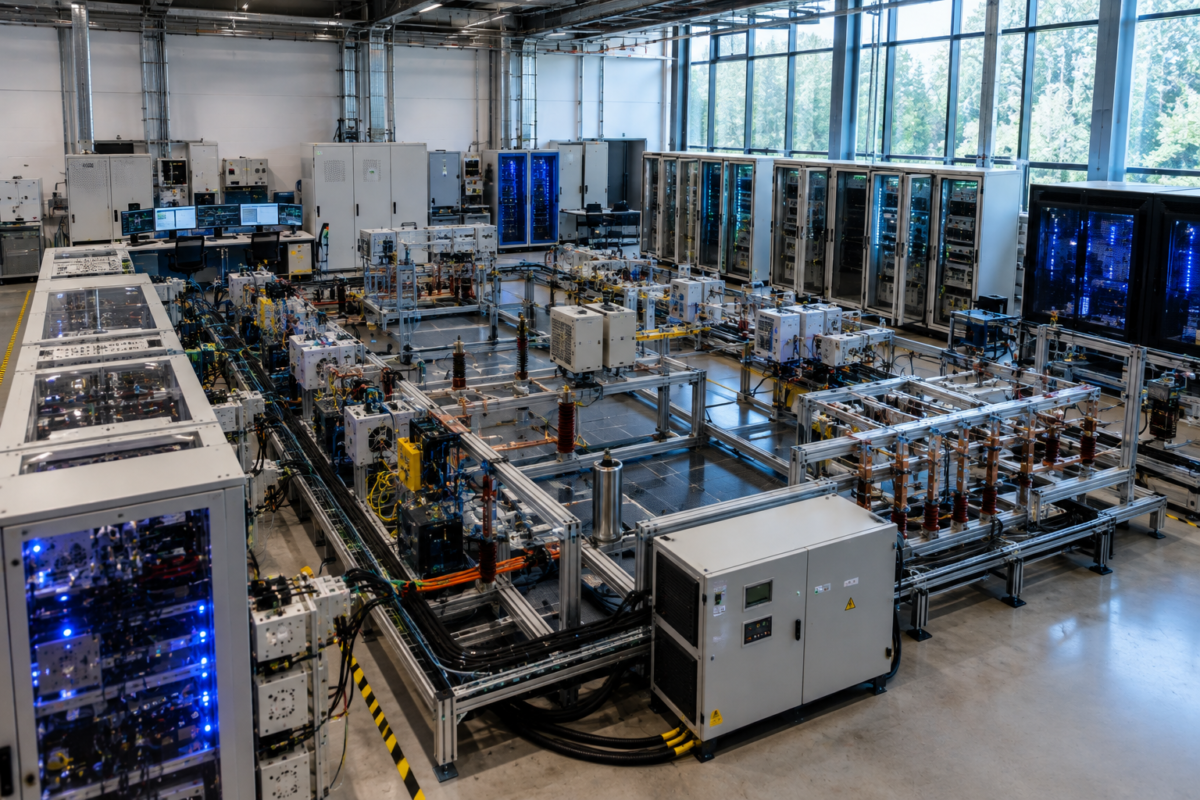
SM: I think of Model-in-the-Loop (MIL), Software-in-the-Loop (SIL), and Hardware-in-the-Loop (HIL) as progressive stages for asking increasingly demanding questions about a system. MIL allows engineers to evaluate the underlying model and control strategy early in development. SIL moves that evaluation into the actual software environment, where we can examine whether the implemented code behaves as intended. HIL takes the process further by connecting real control hardware to a simulated plant or operating environment, allowing us to see how the hardware and software respond together under realistic conditions.
I’ve used these methodologies in systems where discovering a control problem after deployment can have significant operational consequences. In drilling applications, for example, we could reproduce well conditions virtually, connect those models to the control system, and test how programmable logic controller code responded to normal operations, changing loads, faults, and other scenarios. That allowed us to identify software or integration issues in a controlled environment before they had an opportunity to affect an operating rig.
What I’ve learned from that work is that confidence comes from building evidence at each stage. A model may behave correctly, but the software still has to implement the control strategy properly, and the hardware has to execute that software as expected. MIL, SIL, and HIL give engineers a structured way to work through those layers and investigate conditions that may be difficult or unsafe to reproduce in the field. By the time a system reaches deployment, we have a much clearer understanding of how it is likely to behave and where the remaining risks require attention.
EW: Digital twins are now being applied across drilling, production, and other industrial operations. From an engineering perspective, where do digital twins provide the greatest operational value?
SM: The greatest value comes when a digital twin helps engineers understand something about the physical system that would otherwise be difficult to observe, test, or anticipate. In drilling or other complex operations, equipment behavior is influenced by changing loads, control actions, operating conditions, and interactions among multiple systems. A digital representation gives engineers a way to examine those relationships while the physical asset continues operating.
Earlier in my career, I worked with a virtual drilling-rig environment that allowed engineers to recreate operating events and examine failure signatures in much greater detail. If a problem occurred in the field, we could reproduce relevant conditions in the model, study how different parts of the system responded, and develop a more complete picture of what may have contributed to the event. That experience shaped the way I think about digital twins because their value extends beyond displaying current asset data. They can provide an engineering environment for investigating why a system behaved the way it did and evaluating how it might respond under different conditions.
As these models become more closely connected with operational data, the opportunities expand. Engineers can compare expected behavior with actual performance, investigate deviations, evaluate potential changes before implementing them, and use what they learn to improve future operating decisions. The digital twin becomes most useful when it helps engineers understand why something happened and identify what they need to examine next.
EW: Oil and gas companies often evaluate new technologies long before they have extensive operating histories. How does simulation help engineers compare competing approaches, understand long-term performance, and make more informed investment decisions?
SM: Emerging technologies create a difficult engineering problem because organizations often have to make important design and investment decisions before years of operating data are available. Simulation gives us a common environment for comparing alternatives under the same assumptions and operating conditions. We can examine how each option responds to changes in load, duty cycle, system configuration, or other variables and begin identifying where the technical and operational risks differ.
I’ve used this type of analysis when evaluating technologies involving energy storage, alternative fuels, and complex power systems. In those cases, engineers need to determine more than whether a technology can work. Oil and gas engineers also need to understand how it will interact with existing systems, how performance may change under different operating profiles, what additional equipment or controls may be required, and how those choices affect efficiency, reliability, cost, and long-term operation. Modeling allows us to investigate those relationships before an organization commits to a particular technical path.
Simulation is especially useful when the analysis provides a clearer picture of uncertainty. A model cannot manufacture operating history that doesn’t exist, but it can help engineers test assumptions, identify the variables that have the greatest influence on the outcome, and understand which conclusions are well supported and which still require additional evidence. That gives decision-makers a clearer picture of both the opportunity and the remaining risk before significant capital is committed.
EW: You have developed simulation methodologies for complex electrical, automation, and control systems across a variety of energy applications. What have you found are the biggest engineering challenges when modeling systems that combine multiple technologies and operating environments?
SM: One of the hardest parts of modeling a complex energy system is determining which interactions matter most. Electrical equipment, mechanical systems, automation, and controls may all respond on different timescales, and a change in one part of the system can create effects somewhere else that are not immediately obvious. Building a useful model requires understanding those dependencies well enough to capture the behavior that can influence performance, safety, or reliability.
I’ve encountered this challenge in modeling integrated power and control systems where energy storage, electrical networks, machinery, and control logic all have to operate as one system. The temptation is to add more detail because greater complexity can make a model appear more sophisticated. In practice, I’ve found that the better question is what level of detail the engineering decision actually requires. A model used to evaluate system stability may need different information from one designed to investigate a control response or compare equipment configurations.
That judgment becomes especially important when data are incomplete or technologies developed independently are being integrated for the first time. Careful decisions about model scope, assumptions, and validation allow us to focus the analysis on the interactions that matter most. The goal is to represent the system with enough fidelity to give engineering teams reliable information for the decision at hand.
EW: Artificial intelligence is becoming part of many engineering workflows. Based on your experience, where do AI and simulation complement one another most effectively in solving complex engineering problems?
SM: AI and simulation complement each other most effectively when each is used for the type of problem it is best equipped to solve. Physics-based simulation gives engineers a structured way to represent how a system behaves and examine what happens when operating conditions change. AI can analyze large volumes of operational or test data much more quickly, helping identify patterns, anomalies, and relationships that may warrant closer engineering investigation.
I see particular value in using AI to make simulation workflows more efficient. Engineers may need to evaluate hundreds or thousands of possible combinations of operating parameters, equipment configurations, or control settings. AI can help identify the areas of that design space that deserve the most attention, allowing engineers to concentrate detailed simulation and testing where they are likely to learn the most. It can also help compare model predictions with operational data and flag differences that may indicate a changing system condition or an assumption that needs to be revisited.
The engineering discipline behind the analysis remains critical. An AI-generated result still has to make physical sense, and engineers need to understand the data, assumptions, and operating conditions behind it before using that result to support a decision. My work in simulation and validation has made me particularly conscious of that responsibility. Combining AI’s ability to process information at scale with rigorous engineering models and validation can give oil and gas teams a more powerful way to investigate complex systems and make informed decisions.
EW: Oil and gas operators continue looking for opportunities to improve efficiency, reliability, and emissions performance. How can advanced modeling and simulation help engineers evaluate operational improvements before changes are introduced in the field?
SM: Simulation gives engineering teams an opportunity to understand the consequences of an operational change before introducing it into a live system. That can be especially valuable in oil and gas operations, where adjusting a control strategy, changing an equipment configuration, or introducing a new technology may affect several interconnected systems. A virtual environment allows us to examine those effects without disrupting production or exposing equipment and personnel to unnecessary risk.
The process usually begins by establishing a credible representation of the existing system and then changing the variables associated with the proposed improvement. Engineers can evaluate different operating profiles, equipment settings, control responses, or system configurations and compare the results against the current baseline. Depending on the application, we may be looking at energy consumption, equipment loading, system stability, emissions, reliability, or the likelihood that a change creates an unintended consequence somewhere else in the operation.
I’ve found that this type of analysis is most useful when it gives the team evidence they can use to decide how to proceed. A promising result may justify moving to a controlled field test, while an unexpected response in the model may identify an issue that should be resolved first. Simulation allows engineers to learn more about the proposed change before implementation, so the field becomes the place where a well-understood solution is confirmed under operating conditions.
EW: Some of the most important engineering decisions involve technologies that cannot easily be tested under every operating condition. How do rigorous verification and validation methodologies help organizations introduce innovation while maintaining confidence in system performance and reliability?
SM: Trust in a simulation has to be built systematically. Verification begins with making sure the model has been implemented correctly and that the equations, numerical methods, interfaces, and software are behaving as intended. Validation asks a different question: whether the model represents the physical system accurately enough for the purpose for which it will be used. Both are essential because a model can run exactly as designed and still fail to represent the behavior engineers need to understand.
My work developing verification and validation methodologies has reinforced the importance of defining that intended use early. A model created to evaluate overall system performance may require a different level of fidelity and validation from one being used to investigate a safety-critical control response. Once the purpose is clear, engineers can identify the relevant physical data, test results, acceptance criteria, and operating conditions needed to establish confidence in the model.
Traceability is also important. Engineering teams should be able to understand where model inputs came from, which assumptions were made, how the model was validated, and where its limitations remain. That record becomes particularly valuable when models are reused, updated, or incorporated into digital twins that may support decisions over many years. A simulation earns trust through evidence that its behavior has been examined carefully and that its limitations are understood.
EW: Your career has involved simulation, systems engineering, validation, digital twins, and the integration of increasingly complex energy technologies. What has that experience taught you about the engineering principles that matter most as these systems continue to advance?
SM: One lesson I’ve carried throughout my career is that good engineering begins with understanding the system as a whole. The technologies we work with continue to become more sophisticated, but every model, simulation, or digital tool ultimately has to help us understand how a real system will behave under real operating conditions. That requires technical depth, curiosity, and a willingness to keep questioning what the data and the engineering are telling us.
I’ve also learned the value of bringing different disciplines into the problem early. Some of the most challenging systems I’ve worked on have required electrical, mechanical, controls, software, and operational expertise to come together. Each discipline sees something different, and the quality of the engineering improves when those perspectives are incorporated while there is still time to influence the design. My role has increasingly involved helping teams connect those pieces and develop methods that allow complex technologies to be evaluated with greater confidence.
As I look ahead, I want to continue advancing the ways engineers model, validate, and understand increasingly complex energy systems. The tools will continue to change, particularly as AI becomes more deeply integrated into engineering, and the responsibility to use them rigorously will remain important. For me, meaningful engineering work is measured by whether it gives people better ways to understand difficult problems, make sound decisions, and build systems they can trust.
Guest Contributor Note
This article was submitted by a guest contributor and reflects the author’s professional experience, analysis, and opinions. It was reviewed by ENMG for editorial quality, accuracy, and adherence to our publication standards. Any affiliations, disclosures, or potential conflicts of interest identified by the author are noted within the article where applicable.

About the Author:
Ellen F. Warren writes about industry leaders and trends in various sectors, including energy, fintech, IT innovation, healthcare, business, logistics, supply chain, commercial real estate, and entrepreneurship. As a former Independent Director, she served for more than a decade on the Boards of multiple E&P companies in the oil and gas industry.
Keep In Touch with Shale Magazine
As the new era of energy unfolds, you can bet we’ll be the boots on the ground to keep you informed. Subscribe to Shale Magazine for sharp insight into the arenas that matter most to your life. And don’t forget to listen to our riveting podcast, The Energy Mixx Radio Show, where our very own Kym Bolado interviews the most extraordinary thought leaders, business innovators, and industry experts of our time.